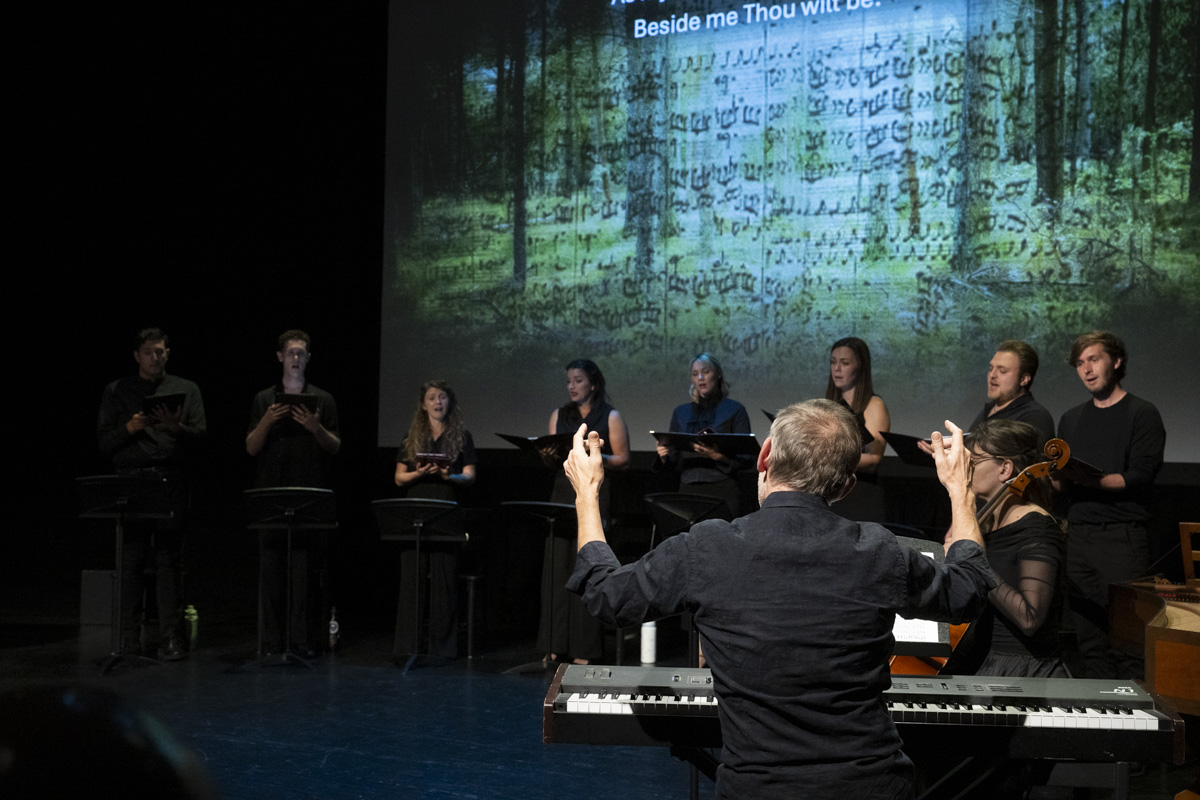
Interplay Opera Workshop: Excerpts from St. Matthew Passion, 2025.
Run Time
75 Minutes
Audience Advice
Please turn off all cellphones, photo/video cameras.
Artistic Credits
CREATIVE TEAM
Hèctor Parra, Composer
Jean-Luc Vincent, Librettist
Based on the novel Miroir de nos peines by Pierre Lemaître
Sandra Horst, Conductor
Mariame Clement, Director
Anne Larlee, Répétiteur
Perri Lo, Répétiteur
Spencer Kryzanowski, Chorus Rehearsal Pianist
Amanda Testini, Movement Consultant
Lesley Abarquez-Bradley, Stage Manager
Nicole Wilson*, Assistant Director
Evan Lawson*, Assistant Conductor
Nicholas Skene*, Assistant Stage Manager
Emma Yee*, Assistant Stage Manager
Christina Bell, Company Manager
CAST
In order of appearance
James Coole-Stevenson* Raoul
Christian Matta* Gabriel
Cameron Mazzei* Prisoner 1 / M. de Varambon / Howsler
Alex Chen* Monsieur Jules /Le Sous – Directeur / Fernand
Sarah Caulfield* Louise (Act 1, Scenes 3, 6, 7)
Camille Labonte* Louise (Act 1, Scene 10 & Act 2, Scenes 4, 7)
Gabriel Klassen* Désiré
Anna O'Drowsky* Alice
Taline Yeremian* Henriette Thirion
Alberto Galicia Mixquititla* Bornier
CHORUS
Alexandra Baird*
Sarah Caulfield*
Alex Chen*
James Coole-Stevenson*
Leandra Dahm*
Alberto Galicia Mixquititla*
Olivia Haramis*
Ella Jeon*
Gabriel Klassen*
Evan Lawson*
Camille Labonte*
Graeme Linton*
Wallis Lucas*
Christian Matta*
Cameron Mazzei*
Maria Milenic*
Tarané Noruzi*
Anna O'Drowsky*
Kelsey Ronn*
Sloane Ryan*
Ashley Schneberger*
Dasha Tereshchenko*
Taline Yeremian*
*Participant in Summer Opera program
Synopsis
France, May 1940. After months of uneasy waiting during the “phony war,” the German army suddenly advances, crushing the French forces and driving the country toward collapse.
As civilians flee south in the chaos of the Exodus, several lives become unexpectedly intertwined: Louise, a young waitress at La Petite Bohème; Raoul, a reckless deserter; Gabriel, an upright mathematics teacher; Fernand, an officer caught between duty and conscience; Alice, his wife, facing the terror of collapse from inside their home; and the mysterious Désiré, who appears in shifting guises as a government spokesman, street singer, and priest. Each is a child of disaster, caught between private longing and national catastrophe.
Louise’s encounter with Dr. Thirion, an elderly regular at the restaurant where she works, draws her into the hidden past of her mother, Jeanne. As Louise follows the trail of that buried history, she discovers unexpected bonds between the people around her, including Raoul, the half-brother she never knew.
Adapted from Pierre Lemaitre’s novel, Miroir de nos peines moves between tragedy, comedy, memory, and survival. On the roads of a defeated France, personal grief and collective history collide, asking what we inherit from the suffering of the past; and what we choose to do when we see others walking toward the unknown.
Message from the Composer
In 2019, my opera Les Bienveillantes premiered in Antwerp and Ghent. Adapted from Jonathan Littell's novel, it explores the atrocities of the Nazi regime through the eyes of Max Aue, an educated and cultured SS officer whose active participation in the machinery of genocide is matched only by his chilling emotional detachment. Shortly afterwards, Alexander Neef invited me to propose a new operatic project for the Paris Opera.
After several months of reflection, I suggested adapting Pierre Lemaitre’s Miroir de nos peines, a novel whose striking blend of tragedy, irony and humanity immediately suggested operatic possibilities. Alexander enthusiastically embraced the project and invited stage director Mariame Clément to join the creative team. Mariame subsequently brought dramaturge and actor Jean-Luc Vincent on board to write the libretto. Since 2021, the three of us have worked in close artistic dialogue, developing every aspect of the piece together—from its dramatic architecture and characters to its musical pacing and theatrical language. The opera is the result of this shared creative process.
Set during the French exodus of June 1940, as the German army advances across the country, the libretto follows Louise Belmont, a young schoolteacher suddenly caught in the collapse of an entire society. Forced onto the roads with millions of refugees, she embarks on both a physical and deeply personal journey, driven by an unfulfilled desire for motherhood and the search for a half-brother she has never known. Along the way she encounters Gabriel, an idealistic lieutenant, and Raoul Landrade, a flamboyant swindler who eventually proves to be the brother she has been seeking. Their intersecting destinies create a richly polyphonic drama in which moments of violence, tenderness, absurdity and humour coexist with remarkable naturalness. Rather than recounting history through political leaders or military strategy, the opera explores how ordinary lives are transformed when history suddenly erupts into them.
From the outset, I felt that the score required a deeply lyrical musical language, capable of embracing the emotional complexity of the characters without ever losing its dramatic momentum. Vocal writing plays a central role, shaped around the individuality of each character and their evolving relationships, while the orchestra acts not merely as accompaniment but as an active dramatic voice, constantly revealing what remains unspoken.
The music seeks to reconcile opposing worlds: lyricism and brutality, intimacy and spectacle, sincerity and irony. It mirrors the emotional contrasts of the libretto, where profound loss coexists with wit, tenderness with sarcasm, and hope with disillusionment. Just as the characters struggle to preserve their inner lives amid the devastation of war, the score continually searches for moments of warmth, beauty and fragile humanity.
My musical language for Miroir de nos peines draws on the legacy of French opera—from Massenet's Manon through Poulenc's Dialogues des Carmélites, Messiaen's Saint François d'Assise and Kaija Saariaho's Adriana Mater—while also absorbing the sound world of the chanson réaliste of the 1930s (Fréhel, Charles Trenet and the young Édith Piaf), alongside echoes of contemporary Francophone Rap and urban music. These influences are not literal quotations but points of resonance within a musical language that seeks to forge the emotional and theatrical richness of the drama.
I would like to express my sincere gratitude to Amiel Gladstone and to the entire team at the Banff Centre for Arts and Creativity for giving Mariame and me the invaluable opportunity to present here a substantial part of Miroir de nos peines in its voice-and-piano version ahead of the opera’s full premiere. During these days of work, Mariame’s staging has begun to bring the world of the opera to life, while our collaboration with the singers, the pianists, the conductor, the stage team has allowed the piece to reveal its full theatrical dimension. This invaluable process of rehearsal, discovery and refinement—including the correction of some details in the score—has brought Miroir de nos peines closer to its final form ahead of its complete premiere at the Palais Garnier in April 2027.
Hèctor Parra, Banff, 19 July 2026
Biographies

Hèctor Parra
Banff Centre 2026 Spring/Summer Hèctor Parra is a Catalan composer living in Paris since 2002. Member of the French Academy in Rome – Villa Médicis in 2021-22, he has premiered a hundred works around the world, commissioned by institutions such as the Philharmonie de Paris, the Louvre Museum, the Munich Biennale, the Gran Teatre del Liceu, The Grand Théâtre de Genève, the Elbphilharmonie, the Cologne Philharmonie or the Guggenheim Museum in New York. From 2013 to 2023 he was composer-in-residence at the Huddersfield Contemporary Music Festival, the Barcelona Auditorium, the Palau de la Música in Barcelona, the Orchestre National de Lille and the Staatstheater Stuttgart. He has premiered eight operas with great public and critical success and which have had librettos by the writers Marie NDiaye, Händl Klaus, Fiston Mwanza Mujilla or Pier Paolo Pasolini/Calixto Bieito. The staging has been carried out by Bieito himself, by Milo Rau or Mariame Clément among others. He has been awarded the Grand Prix de l’Academie Charles Cros 2024, the Opera XXI Award 2023, the National Culture Award of Catalonia 2017, the Ernst von Siemens Composition Prize 2011, the 2007 Donald Aird Memorial Award of San Francisco and the 2005 Tremplin Prize of the Ensemble Intercontemporain and IRCAM, among others. His works are published by Durand/Universal Music Publishing Classical and by Editorial Tritó. Official website: hectorparra.netrts Program Info Session
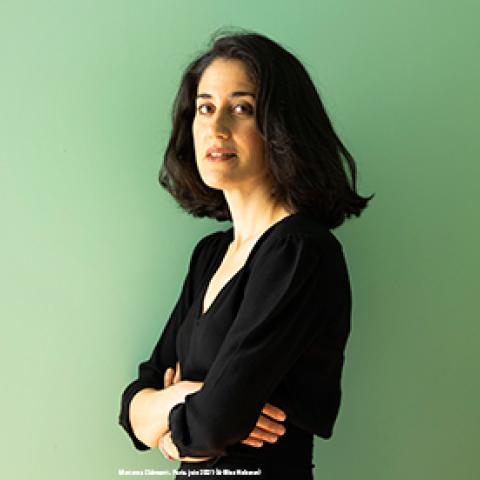
Mariame Clement
After her studies of literature and art history at the École Normale Supérieure in her hometown Paris, Mariame Clément lived in the U.S.A. and in Berlin, where she did her first internships at the Staatsoper Unter den Linden.
She made her directing debut in 2004 with Rossini's Il Signor Bruschino and Puccini's Gianni Schicchi in Lausanne. She has worked in Athens (Le Comte Ory), Tel Aviv (Il Viaggio a Reims), Santiago de Chile (Lulu), Oviedo (Il Barbiere di Siviglia), Sevilla (Agrippina), Nuremberg (Le Nozze di Figaro), Essen (Le Grand Macabre, Salome), Strasbourg (La Belle Hélène, Werther, Platée, Der Rosenkavalier, La Calisto), Antwerp/Ghent (Giasone, Agrippina, Armida), Graz (Faust, Die Zauberflöte), at the Theater an der Wien (Castor et Pollux, The Fairy Queen), in Glyndebourne (Don Pasquale, Poliuto, Il Turco in Italia, Don Giovanni, Le Nozze di Figaro), at the Opéra national de Paris (Hänsel und Gretel, Cendrillon), at the Royal Opera House (L'Étoile), at the Théâtre des Champs-Élysées (Il Ritorno d'Ulisse in patria), at the Semperoper Dresden (Die verkaufte Braut), at the Bregenz Festival (Don Quichotte), at the Santa Fe Opera (Carmen), at the Volksoper in Vienna (Die Lustige Witwe), and at the Staatsoper Berlin (Roméo et Juliette).
In 2014 she created Philippe Hurel's opera, Les Pigeons d'argile, at the Théâtre du Capitole in Toulouse. In 2016, she staged the French premiere of Wagner's second opera, Das Liebesverbot, at the Opéra national du Rhin. Her production of Barkouf in the same theatre in 2018 was the first performance since 1860 of this newly rediscovered major piece by Offenbach.
With Roberto Devereux in June 2024, she completed a Donizetti trilogy at the Grand Théâtre de Genève which began with Anna Bolena in 2021 and continued with Maria Stuarda in 2022.
She made her debut at the Salzburg Festival in the summer of 2024 with Les Contes d'Hoffmann.
Further projects will take her, among other places, to Frankfurt, Copenhagen, Lausanne, Paris, Chicago and Bregenz.
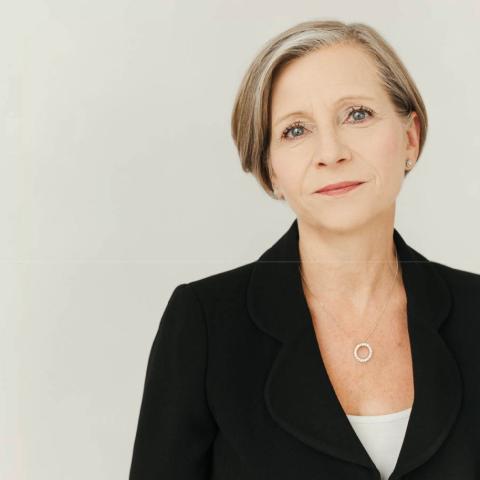
Sandra Horst
Toronto-based conductor and educator Sandra Horst is celebrated for her “superb direction” (La Scena), professionalism, and musical integrity throughout her thirty-year career. Recent conducting engagements include Orphée+ with Edmonton Opera, Florence, the Lady with the Lamp with Voicebox: Opera in Concert, and the premiere of Cusson and Vavrek’s Indians on Vacation at the Banff Centre for Arts and Creativity. Since 1998, she has served as the Price Family Chorus Master at the Canadian Opera Company, amassing a repertoire of over seventy operas to date. In past seasons, she has worked with Opera Theatre of St. Louis, Boston Lyric Opera, Juilliard Opera Centre, the Chautauqua Institution, and made her mainstage conducting debut at the Canadian Opera Company with Rossini's Il viaggio a Reims in 2002. Next season, she looks forward to conducting the COC Ensemble Studio's performance of Rossini's Barber of Seville. In 2022, Horst joined Tapestry Opera’s groundbreaking Women in Musical Leadership program as an industry mentor and was appointed to the board of the Association for Opera in Canada in 2024.
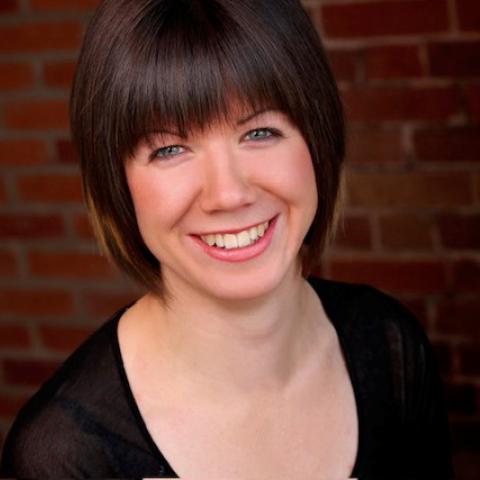
Anne Larlee
Anne Larlee has worked as a répétiteur and coach at the Frankfurt Opera since 2016. The Canadian pianist has also given numerous recitals, including performances with Tamara Wilson, Bianca Andrew, Jonathan Abernethy, Louise Alder, Paula Murrihy and Anthony Robin Schneider. Previously, she was a répétiteur and vocal coach at the Komische Oper Berlin and the Canadian Opera Company in Toronto, where she regularly returns. The multi-award-winning
musician has performed in recitals at renowned venues in North America and Europe – including St. John’s Smith Square in London and La Maison de la Radio in Paris. The sought-after pianist has also performed at festivals such as Glyndebourne, Aldeburgh and Bregenz, as well as at Calgary Opera, San Francisco Opera, the Opera Theatre in St. Louis, and the Tyroler Festspiele Erl. In addition, she has accompanied masterclasses led by Sir Thomas Allen, Brigitte Fassbaender, Martin Isepp, Dame Felicity Lott and Carlo Rizzi. She is regularly engaged as a collaborator and coach for the Neue Stimmen Masterclasses of the
Bertelsmann Foundation in Gütersloh.
Photo: Phil Crozier, Photophilcro
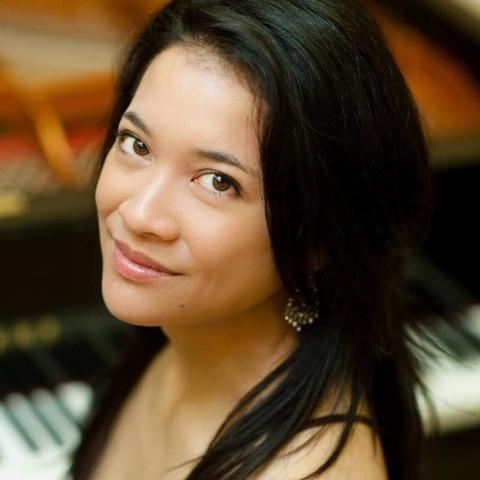
Perri Lo
Perri Lo is a pianist and vocal coach, working in opera, chamber music, and dance. She is passionate about intertwining these art forms, coming from a formal opera repetiteur training and working with professional dance companies and schools since 2010. Perri is currently a staff pianist at Ballet BC and Arts Umbrella Dance Company. Most recently, she produced her first dance and art song collaboration, Quartet, featuring baritone Luka Kawabata and dancers of Ballet BC, in support of Banff Centre’s Opera in the 21st Century Program.
Since her role as apprentice coach with the Vancouver Opera’s Yulanda M. Faris Young Artist Program (‘18-19), Perri has music directed productions with Indie Opera West companies such as ReNaissance Opera, of both traditional and contemporary repertoire. One of her most valuable experiences was touring across B.C. with Vancouver Opera and Pacific Opera Victoria’s co-production of Flight of the Hummingbird (2020), a new children’s opera about climate change.
When she is not performing with singers and instrumentalists, Perri serves as B.C.’s Provincial Coordinator for Opera InReach, an artists’ collective providing accessible, innovative, and diverse opera education and mentorship for youths across Canada.
She is grateful to be creating and working on the unceded and ancestral homelands of xʷməθkwəy̓əm (Musqueam), Skwxwú7mesh (Squamish), and Səl̓ílwətaɬ (Tsleil-Waututh) Nations.
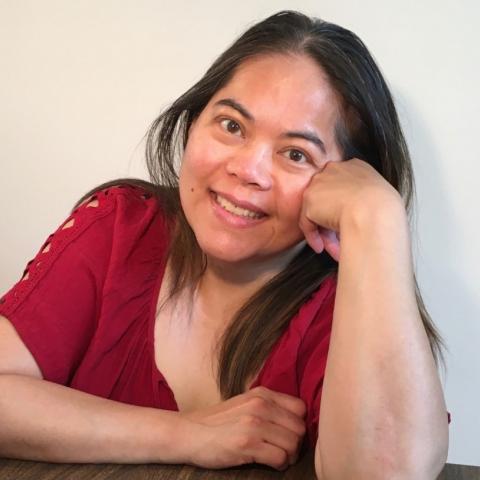
Lesley Abarquez Bradley
Working primarily in opera for 30 years, Lesley stage manages regularly for the Canadian Opera Company and the Glenn Gould School, at the Royal Conservatory of Music. She has also enjoyed working with Tapestry Opera, Edmonton Opera, Against the Grain Theatre, Opera Columbus, the Canadian Children’s Opera Company, and the University of Toronto Opera School.
Some of her favourite credits include: Eugene Onegin, Don Pasquale, Fidelio, Tosca, Pomegranate, Die Walkure, Salome, Traviata (COC); Dialogues des Carmelites, Flight, Rinaldo, The Magic Flute, Svadba, Cendrillon (GGS); Die Fledermaus (Edmonton Opera); Figaro’s Wedding, Kopernikus, A Little Too Cozy (Against the Grain Theatre); Orphée (AGT/Opera Columbus/Banff Centre); Gould’s Wall, Shanawdithit (Tapestry Opera); The Queen In Me (Amplified Opera/Nightwood Theatre).
Lesley is thrilled to be back at The Banff Centre this summer, as stage manager for The Handmaid’s Tale.
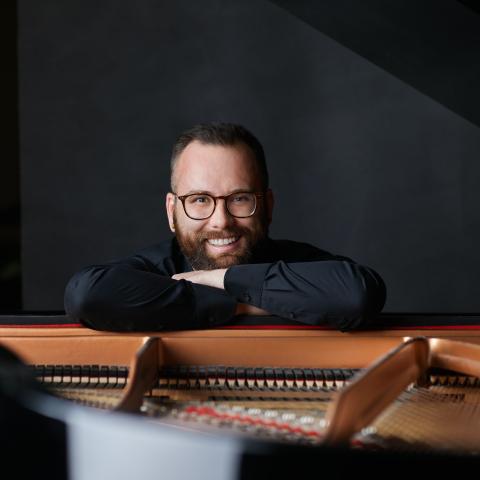
Spencer Kryzanowski
Spencer Kryzanowski is a passionate crossover artist working as a conductor, music director, répétiteur, and vocal coach in both musical theatre and opera.
Spencer is the assistant conductor and pianist for Edmonton Opera; a staff member in the University of Toronto Opera department; resident music director for Good Mess Opera Theatre; and resident music director for Pop Goes the Opera in Edmonton, Alberta. On top of these regular positions, Spencer maintains a busy freelance schedule.
As a conductor and music director, Spencer has worked on numerous opera and musical theatre productions across Canada. His recent opera credits include Wagner’s Die Walküre (Edmonton Opera), Bartok's Bluebeard's Castle (Edmonton Opera), Strauss Jr's Die Fledermaus (Edmonton Opera), Puccini's Il tabarro (Pop Goes the Opera), Massenet's Cendrillon (UofT Opera), Hank and Gremlin (Good Mess Opera), and La bohème (Mercury Opera). Spencer's recent musical theatre credits include Newsies, Mean Girls: The Musical, and Beauty and the Beast with Bravo Academy.
Spencer's recent répétiteur credits include Guerrero's El huésped del sevillano with Toronto Operetta Theatre, Nino Rota's Il cappello di paglia di Firenze, and a comedic triple-bill of Hindemith's Hin und zurück, Offenbach's Monsieur Choufleuri, and Douglas Moore's Gallantry. Other credits include Humperdink's Hänsel und Gretel with Berlin Opera Academy; Copland's The Tender Land; Rossini's Il barbiere di Siviglia; Puccini’s Suor Angelica & Gianni Schicchi; and Tchaikovsky's Eugene Onegin. Spencer had the pleasure of workshopping Melancholia, an opera based on the Lars von Trier film, by Mikael Karlsson and Royce Vavrek in 2023 for the Royal Swedish Opera. Additionally, Spencer assisted as a répétiteur and vocal coach in a workshop of Indians on Vacation by Ian Cusson and Royce Vavrek in 2024 as part of a collaboration with Against the Grain Theatre and Edmonton Opera.
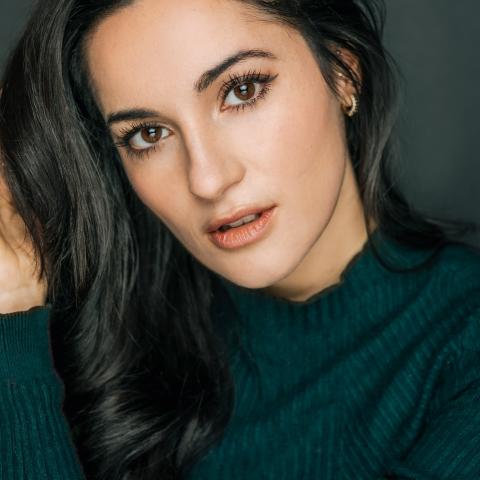
Amanda Testini
Amanda is an Italian-Canadian choreographer, performer and director based on the unceded and ancestral territories of the Musqueam, Squamish and Tsleil-Waututh First Nations, whose work spans opera and theatre across Canada and the U.S. Amanda has worked with companies like Detroit Opera, Theatre Replacement, Toronto City Opera, the Cultch, Pacific Opera Victoria, Arts Club Theatre Company, Bard on the Beach, Banff Centre for the Arts, ItsaZoo Productions, Vancouver Asian Canadian Theatre, Gateway Theatre, Opera Kelowna, Neworld Theatre, Electric Company, Vancouver Opera, Axis Theatre, the Glimmerglass Festival, Edmonton Opera, Urban Ink, Saskatoon Symphony Orchestra and the Firehall Arts Centre. She is a graduate of Studio 58, a Jessie award nominee, and was the Miriam Bennett Artist-in-Residence at the Arts Club for the 2024/2025 season.
For more information visit www.amandatestini.com.

Christina Bell
Soprano Christina Bell is in demand across North America for Concert, Opera, and Oratorio. She recently made her debut with Toronto City Opera in the title role of Susannah and sang the role of Paquette in Candide with the North York Concert Orchestra. A graduate from University of Toronto with a Diploma in Operatic Performance, Christina sang the roles of Mrs. Baggett in Footsteps in Campbell House, Lady with a Cake Box in Dominick Argentos’ Postcard from Morocco, Lady Billows in Brittens’ Albert Herring, Donatella in Encouters, as well as being a part of Last Days, a new production with Tim Albery and David Fallis.
Over the years Christina has attended the Mainstage/Ensemble Programs at Opera on the Avalon, The Centre for Opera Studies in Italy, Halifax Summer Opera Festival, St. Andrews Summer Opera Workshop. Other recent operatic performances include Countess in Le nozze di Figaro, Vitellia in La Clemenza di Tito, Liliana in Miracle Flight 571 with the Hamilton Philharmonic Orchestra, Portia in Le marchand de Venise, Cousin Hebe from Gilbert & Sullivans’ HMS Pinafore, Mrs.Grose in The Turn of the Screw, Fiordiligi in Così fan tutte, Helena in Brittens’ A Midsummer Night’s Dream.
Christina has been a member of the Canadian Opera Company Chorus since 2015 and when she is not on a stage, she can be found exploring her passion for arts administration and management. She is the Opera & Public Events Administrator at the University of Toronto and in 2023 took on the role of the Company Manager for the Banff Centre: Opera in the 21st Century & Interplay Programs.
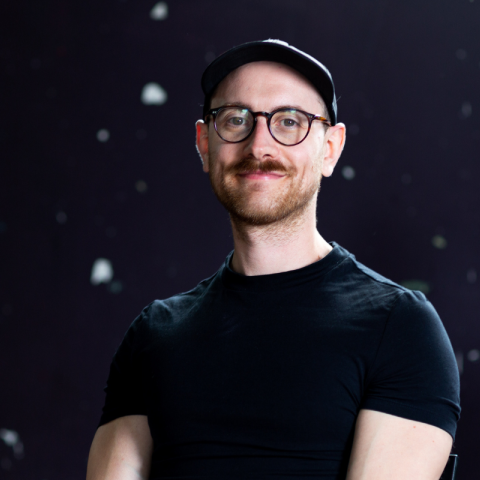
Evan Lawson
Evan J Lawson (he/they) is one of Australia’s leading queer artists, working at the forefront of contemporary culture as a composer, writer, singer and conductor. Evan is a founding member and artistic director of interdisciplinary dance company-chamber orchestra Forest Collective.
Hailed by Clive O’Connell that ...the sonorities that emerged often proved extraordinary... Evan has been composing music since the age of 10, is a graduate of the Victorian College of the Arts, the Melbourne Conservatorium of Music, and developing artist programs with the Tasmanian Symphony Orchestra, Melbourne Symphony Orchestra, and Grafenegg Festival.
Evan was a member of the Academy of Festival d’Aix-en-Provence and served as the principal conductor for the Bendigo International Festival of Exploratory Music. Evan’s work ranges from art music and opera to immersive electro-acousmatic works. His work has brought on collaborations with a wide range of professional, educational and community organisations, such as the Volksoper Wien, Australian Saxophone Quartet, Australian National Academy of Music (ANAM), Stonnington Symphony, Moravian Filharmonic Orchestra, Tonkünstler Orchestra, and many more.
He has studied with Benjamin Northey, Richard Gill, and Matthias Pintscher, who has said that his music is serene, deep, it's even breathing the heritage of Mahler.
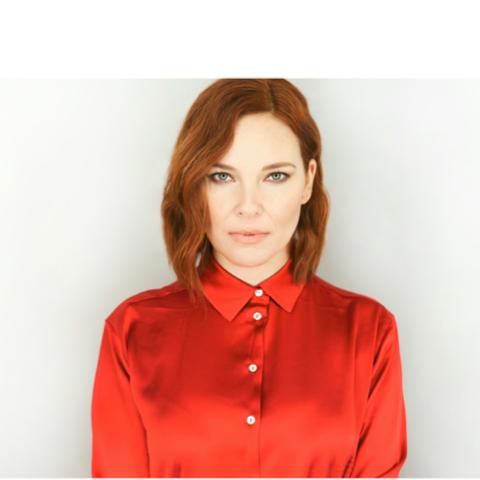
Nicole Wilson
Nicole Wilson is a Toronto-based actor, creator, director, and theatre educator driven by a deepcuriosity about people and the stories they carry. She is a co-founder of Good Old Neon, an ensemble-driven experimental performance company, and the former Artistic Director of act2studioWORKS, an educational and production company for actors aged 50+, where she championed bold, actor-led work at every stage of life. She was part of the 2024 Michael Langham Directors’ Workshop at the Stratford Festival, working alongside Artistic Director Antoni Cimolino, and recently completed her tenure as Apprentice Artistic Director to Rachel Peake at the Grand Theatre for the 2025/2026 season.
Select directing credits: Piaf/Dietrich (assistant director, Grand Theatre), Frozen (assistant director, Grand Theatre), Ivona, Princess of Burgundia (George Brown Theatre School), Who’s Afraid of Virginia Woolf (assistant director, Canadian Stage), London Assurance (assistant director, Stratford Festival), Dead Elephants (Good Old Neon), The Last Mammoth (Good Old Neon), Frankenstein(esque) (Silent Protagonist), A Lysistrata (act2studioWORKS), Us Against Everyone (Toronto Fringe Festival), One Left Hour: The Life and Work of Daniil Kharms (Good Old Neon), and Blue Remembered Hills (Good Old Neon).
Select acting credits: Mrs. White in Clue (Segal Centre), The Real Sherlock Holmes (Lighthouse Festival Theatre), UK tour of Mankind and The Pride of Life (Poculi Ludique Societas); Dead Elephants, The Two Character Play, One Left Hour: The Life and Work of Daniil Kharms, Potosi (Good Old Neon); Brimstone and Treacle (Precisely Peter Productions);The Belt and the Necklace (Odyssey Theatre); and The Seagull (Chekhov Collective at The Berkeley Theatre), Claire Tinsdale in Good Witch (seasons 6, 7). Upcoming: Carly in A Woman’s Love List (Lighthouse Festival Theatre ),iona (The Geek) in Heist Theatre Aquarius.
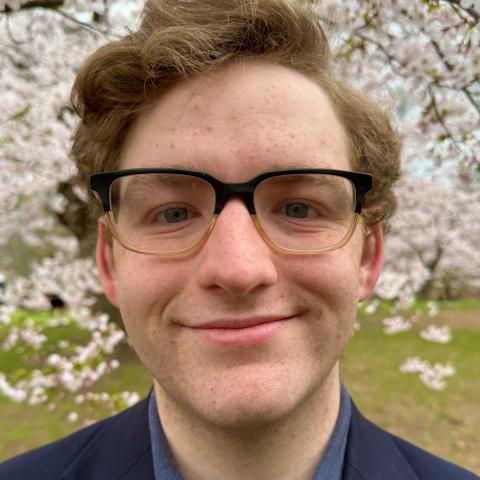
Nicholas Skene
Nicholas Skene is a Latvian Canadian operatic stage manager and director based in Toronto, Ontario. He is currently completing his B.Mus. at Western University, where Nicholas produces and directs his own productions, including most recently, a production of Euripides’ Bacchae with the classics department. The production had a cast of over 30 performers—including actors, singers, dancers, instrumentalists, and original music by composition student Pauline Boers.
Nicholas started going to the opera when he was nine years old through a ticket program at the COC, but he didn’t work on an opera production until he joined the Canadian Children’s Opera Company in 2017. Nicholas performed in COC productions of Tosca, Turandot, and Hansel and Gretle, working with established Canadian and international talent like Joel Ivany and Robert Wilson. He originated the role of Marcel in the COC-commissioned opera Fantasma, written by Métis Canadian composer Ian Cusson. The CCOC fostered an appreciation for new and Canadian opera, which still drives
Nicholas to work on the cutting edge of an ancient artform. To keep track of everything Nicholas is up to, including his production of Sophocles’ Oedipus Rex in 2027, follow his instagram: @nicholaselliottskene
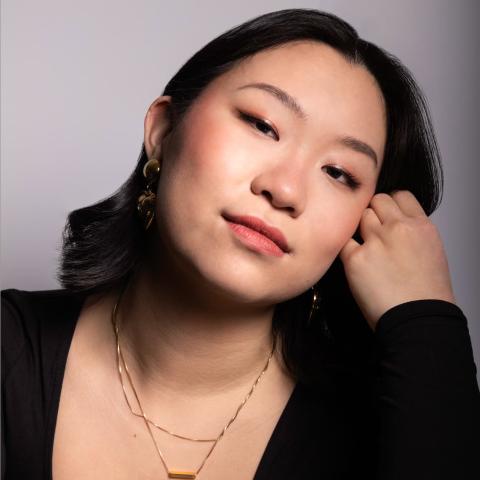
Emma Yee
Tkaronto-born mezzo soprano Emma Yee (she/her) is an active interdisciplinary musical artist based in Tiohtià:ke. This season, Emma is assistant directing and stage managing The Medium (Opera McGill), directed Riders to the Sea (Opera McGill), and assistant stage managed Come Closer (Opera 5). Other technical theatre credits include directing The Sapphic Passion (Sapphonix Collective) and stage-managing Dialogues des carmélites (Opera McGill), An Inspector Calls (Motyer-Fancy Theatre), and PRÉCIPICE (Tintamarre). Emma is also an active performer across opera, musical theatre, and choral scenes. Performance highlights include Cordelia in Falsettos (Contact Theatre), Bianca in The Rape of Lucretia (Opera McGill), various roles in Elegies (Opera 5), Serse in Serse (Halifax Summer Opera Festival), Sorceress in Dido & Aeneas (Opera McGill), and alto soloist in Messiah (Christ Church Cathedral). Emma is informed by her role as a performer-scholar, with a publication in Nota bene titled “Liberatory Praxis in Operatic Rehearsal Processes,” a talk at the McGill Graduate Music Symposium titled “Trains, Drones, and Continued Routes of Coloniality in Opera,” and research related to music and colonialism, music and politics, and operatic power structures.
www.emmayee.ca/home
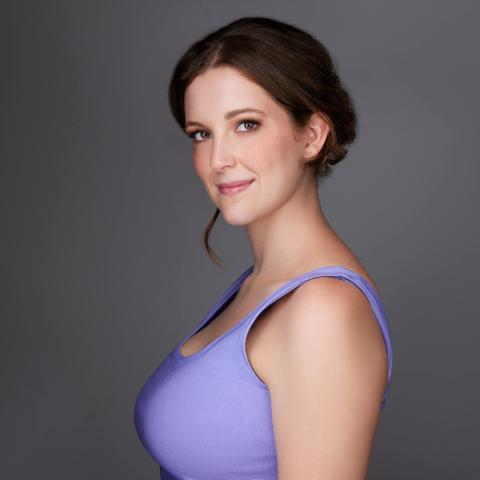
Sarah Caulfield
Hailing from Chilliwack, BC, soprano Sarah Caulfield has been lauded by Opera Canada as “a singer to watch.” An alumna of the University of British Columbia, she looks forward to joining the Ensemble Studio of Canadian Opera Company in the 2026-27 season. Her operatic roles include the title role of Rusalka, Frau Fluth (Die Lustigen Weiber von Windsor), Donna Anna (Don Giovanni), Corinna (Il viaggio a Reims), Giulietta (Les contes d'Hoffmann), Casilda (The Gondoliers), Fiordiligi (Cosi fan tutte,) and the Madame (Shadow Catch). She's appeared in concert with the Vancouver Symphony (Traditional Christmas tour), Richmond Orchestra (Fauré Requiem), Bach on the Rock (Handel Messiah), and the UBC Early Music Ensemble.
Sarah made her Banff Centre debut last year in the ensemble of The Handmaid's Tale. Other highlights of 2025 include portraying Suzy in La Rondine (Good Mess Opera Theatre), a residency at the Lunenburg Academy of Music Performance, and a solo appearance with the Vancouver Island Symphony in Bella Italia, a program of Italian arias. In 2026, she was a winner of the Northwest District in the Metropolitan Opera Laffont competition, and enjoyed a return to the Vancouver Island Symphony as a guest in their Cuban Vibes festival.
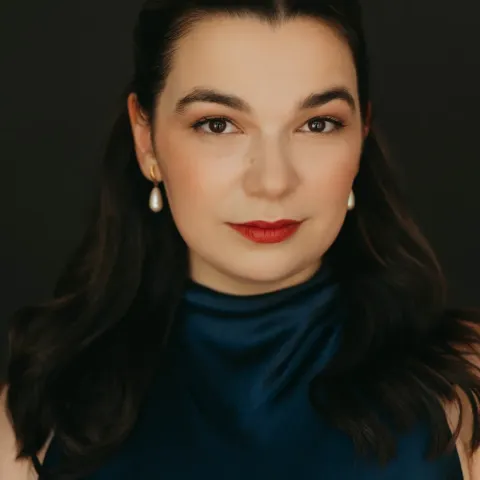
Camille Labonté
Camille Labonté is an active young performer based in Toronto, Canada. A versatile artist, Camille enjoys performing a variety of repertoire, including opera, oratorio, art song, and musical theatre. Her operatic credits include Lucia (The Rape of Lucretia), Prima Donna (Viva la Mamma!), Fiordiligi (Così fan tutte), Cathleen (Riders to the Sea), Cleopatra (Giulio Cesare), and Frasquita (Carmen). Concert appearances include soprano solos in Carmina Burana with the Bergmann Duo and TorQ Percussion (Stratford Summer Music), Messiah (York Chamber Ensemble) and Considering Matthew Shepard (Concreamus).
An enthusiastic interpreter of contemporary works, Camille is a national finalist for the 2026 Eckhardt-Gramatté competition in voice. World premiere performances include Antigone in With the Telling Comes the Magic and Anna Massey in Avenue of Avarice. She has also workshopped new operatic compositions by Canadian composers Cecilia Livingston and Danika Lorèn.
This summer, she will perform as the soprano soloist in Carmina Burana with the Elmer Iseler Singers, and enjoy residencies at the Banff Centre for Arts and Creativity and the Académie Francis Poulenc. A graduate of the University of Toronto, Camille holds a B.Mus with Honours in Vocal Performance and will graduate in June 2026 with an M.Mus in Opera Performance.
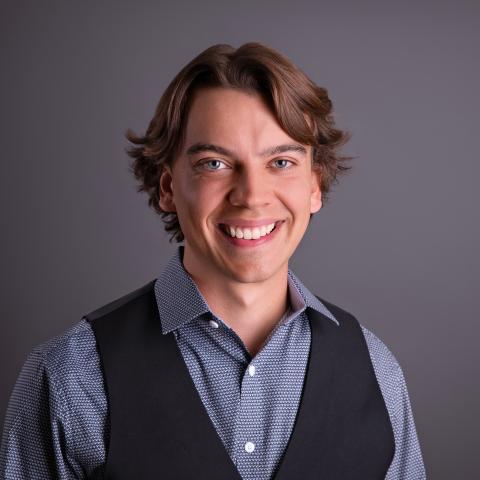
Gabriel Klassen
Gabriel Klassen is a versatile vocal artist currently studying at the Glenn Gould School in Toronto. He enjoys broadening his artistry through exploration of various genres, and finds great joy in sharing music with others. Outside of the theatre, he can often be found connecting with nature in his home town of Vancouver, BC. Most recently, he has performed as a feature soloist with Pax Christi Chorale in Ariel Ramirez’ Misa Criolla, and in the Canadian premiere of Robert Cohen's Alzheimer's Stories. He has also performed as a soloist with the Dundas Valley Orchestra as the winner of the Dundas Valley Orchestra-HAALSA Young Artist Competition. On the operatic stage, he has sung roles such as Tobia Mill in Rossini’s La Cambiale di Matrimonio and George in Dean Burry’s Baby Kintyre at The Royal Conservatory of Music in Toronto; Minskman in Jonathan Dove's Flight with Opera Nuova; and Lorry in Arthur Benjamin's Tale of Two Cities with U of T Opera.
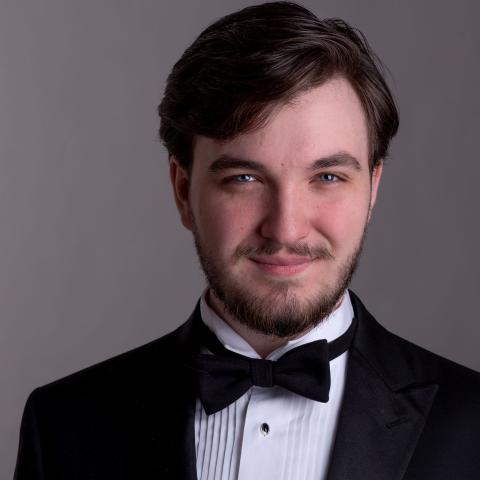
James Coole-Stevenson
James Coole-Stevenson, baritone, has impressed audiences in a number of operatic roles thanks to his “sensitivity and nuance”. Currently living and working as a musician in Toronto, he strives for authenticity in each performance.
In 2024, James had his professional debut as Ping and the Mandarin in Puccini’s Turandot, through the Gate City Bank Fargo-Moorhead Young Artist Program. There he fostered a love for Puccini, and developed serious interest in the role of outreach as a tool to educate and introduce people to opera. With his newfound desire to broaden Opera’s reach, James had the honor of participating in Manitoba Opera’s Digital Emerging Artist’s Program, where he worked with several industry talents to create a video project tracing his Newfoundland heritage through the lens of traditional folk songs collected by Maud Carpeles and Ralph Vaughan-Williams. James is currently a Rebanks Fellow at the Royal Conservatory of Music. Performing as Gianni Schicchi and Slook in the Glenn Gould School's production of Gianni Schicchi and La cambiale di matrimonio, James showed “an honest and engaging performance in even the most outrageous scenes”.

Anna O'Drowsky
Anna is a mezzo-soprano from Ontario with a voice described as “rich and expressive.” She recently appeared with Grand River Opera singing the role of Schwertleite in Die Walküre. Last summer she sang the role of New Ofglen in the Banff Centre for the Arts’ production of The Handmaid’s Tale. Anna has a Master’s degree in Opera from UBC and a Bachelor’s Degree in Voice from Western University. While attending UBC, she sang the role of Olga Olsen in Kurt Weill’s Street Scene and Madame de la Haltière in Jules Massenet’s Cendrillon, in addition to many other roles with the UBC Opera Ensemble. Last year, Anna performed as a soloist with the Vancouver Metropolitan Orchestra. In 2023, she took part in La Musica Lirica’s young artist program, singing the role of Leonora in Scarlatti’s Il Trionfo dell’onore. When not singing, you might find her in the woods somewhere hugging trees.
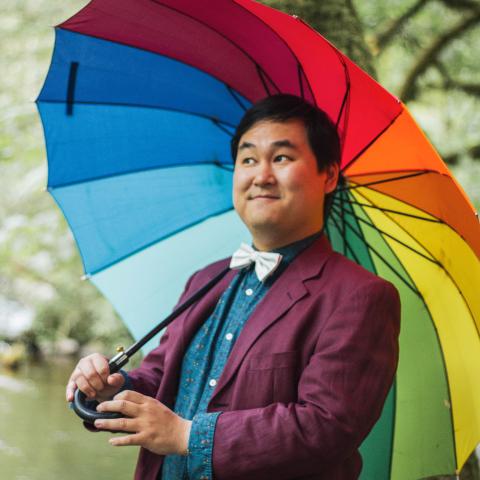
Alex Chen
During the Canadian premiere of Walter Braunfels’ opera The Birds, Alex Chen’s passions for classical music and zoology came together.
Alex is a baritone, collaborative pianist, and vocal coach. Yet he began his professional life studying zoology and working with birds – entertaining crows, flying kestrels, and trading glances with owls on his gloved hand.
Alex grew up in Cambridge, ON beginning piano lessons at 9 and voice at 12. While studying science at the University of Guelph he pursued a minor in music. Unable to resist the allure of a juicy melody, a rich story, or a misty musical passage, he pursued the Master’s in Collaborative Piano program at Western University.
Alex moved West to study with Baroque soprano Nancy Argenta. Now, he is a key member of the Victoria musical community, frequently performing as an art song collaborator, solo singer, and opera chorus member.
His projects with Gay4Nature Collective (co-founder), BC Culture Days, and Ocean Wise provide outlets for Alex to share the crossover between human music and the natural world.

Christian Matta
Christian Matta is an Italian-Canadian tenor finishing his Masters of Music in Operatic Performance at the University of Toronto, studying under soprano Wendy Nielsen. Praised for his warm lyric tone and “comfortable stage presence” (Opera Canada), he is developing a versatile repertoire across opera, concert, and contemporary music. His recent roles include Male Chorus in The Rape of Lucretia, Don Ottavio in Don Giovanni, and Gastone in La Traviata. He has appeared as a soloist in major oratorios such as Handel’s Esther and Messiah at Koerner Hall, Mozart’s Requiem, and Vivaldi’s Gloria, and has trained in masterclasses with artists including Jason Ferrante, Alain Coulombe, and Ambur Braid.
This is Christian's second year in Banff, where last year he appeared as the Evangelist in Bach’s St. Matthew Passion and in the premiere of Karim Al-Zand’s A Stranger’s Case. This summer, he will be performing as Pluto in Orfeus in the Underworld with Toronto City Opera, and looks forward to workshopping new works at Banff.
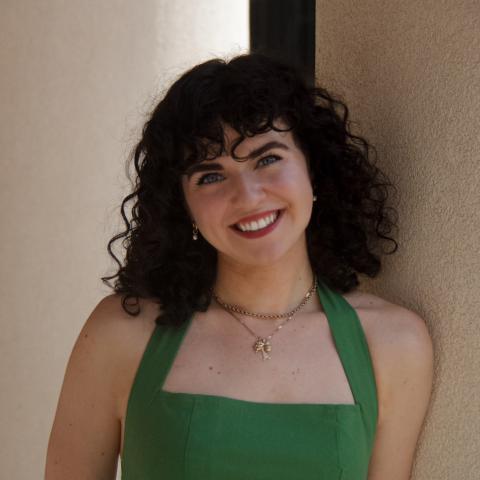
Taline Yeremian
Taline Yeremian is a mezzo-soprano currently residing in Toronto. She recently completed her degree in the Masters of Opera program at the University of Toronto, under the direction of Sandra Horst. Taline also completed her undergraduate degree in classical voice performance from the University of Toronto. During her time at UofT, she studied with Monica Whicher and coached with Suzy Smith. She is so thrilled to encounter new performance opportunities, roles and to work with so many talented performers and faculty. She has performed in Toronto, Edmonton, Italy and most recently France at the Académie Poulenc with the France-Canada Academy of Vocal Arts (FCAVA). In March 2026 she completed a winter residency with FCAVA in addition to her roles within her degree at UofT. Taline is always looking to explore new vocal techniques and repertoire in any language as she encounters new performance opportunities in Toronto and internationally. Taline always tries to incorporate her Armenian background into her musical career, performing Armenian song repertoire whenever she can. She is always open to a challenge and is always looking to push her own vocal boundaries to better her voice and performances.
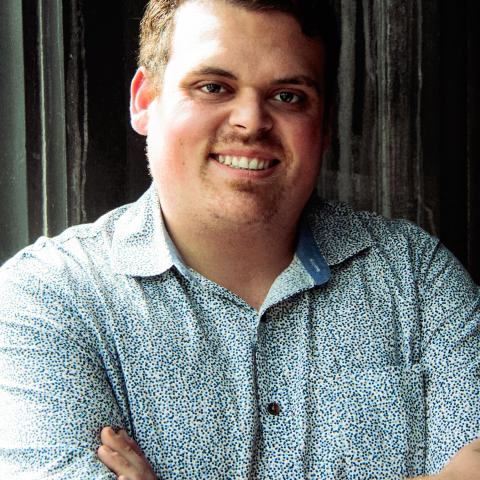
Cameron Mazzei
Cameron Mazzei is an Italian-Canadian tenor from Toronto, Ontario. He a recent graduate of the University of Toronto’s esteemed Opera School, receiving his Diploma in Operatic Performance, studying under the tutelage of tenor Dr. Darryl Edwards.
Cameron holds both a Masters in Music Literature & Performance and Bachelors of Music Performance degree from Western University, studying with Dr. Sophie Roland and Theodore Baerg respectively. In addition, Cameron has worked with several notable artists across Canada and the United States, including Allan Glassman, Russell Braun, Tracy Dhal, Colin Ainsworth, and Judith Forst.
An active performer in the GTA opera scene, some of Cameron’s recent performance highlights include Beppe in I Pagliacci (Toronto City Opera), Ferrando in Così fan tutte (Opera York, UofT Opera), Nemorino in L’elisir d’Amore (North York Concert Orchestra), Le Remendado in Carmen (Chicago Summer Opera), the Narrator in Bach’s Coffee Cantata (Opera by Request), The Magician in The Consul and Lucano/Primi Soldati in L’incoronazione di Poppea, (NUOVA Vocal Arts). Most recently, Cameron premiered the role of Victor in Benjamin Gabby’s The Scholar as part of Arcady Ensemble’s 2026 Opera Showcase. With UofT Opera, Cameron’s role highlights include Fadinard in Il cappello di paglia di Firenze, Demodocus in Castaway, and premiering the role of Alexander in Lysistrata: Reimagined as part of their Student Composers Collective.
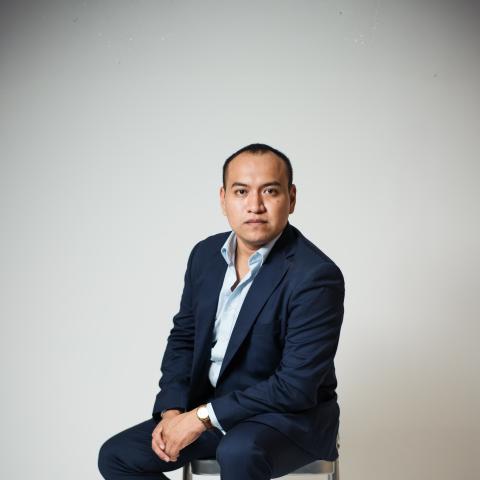
Alberto Galicia Mixquititla
Mexican tenor Alberto Galicia was born in Cuautla, Morelos, and studied at the National Conservatory of Music in Mexico under Arturo Nieto Olmedo. He has worked with Francisco Araiza, Ramón Vargas, Teresa Rodríguez, Huberto Velázquez, and Michael Sylvester, and was a member of the Bellas Artes Opera Studio Young Artist Program (2022– 2023).
He has participated in the Francisco Araiza Intensive Workshop (2016–2018), the Bel Canto Institute in San Miguel de Allende (2018, 2024, 2025), and the Zarzuela International Studio in Valleseco, Spain (2023).
His awards include the Youth Revelation Prize at the Sinaloa International Singing Competition and the Carlo Morelli Singing Competition (2019). In 2026, he was awarded Third Prize at the San Miguel de Allende International Competition, where he also received a scholarship from The Banff Centre for Arts and Creativity (Canada).
Operatic roles include Count Almaviva (Il barbiere di Siviglia), Don Ottavio (Don Giovanni), Alfred (Die Fledermaus), Goro (Madama Butterfly), and Delli (Giovanna d’Arco).
He has performed at the Palacio de Bellas Artes in Mexico City, including Rossini’s Stabat Mater, and has appeared as a soloist in Mozart’s Requiem. He has collaborated with leading Mexican orchestras and conductors including Iván López Reynoso, Ludwig Carrasco, Enrique Patrón de Rueda, Jorge Parodi, and Mark Kadin.
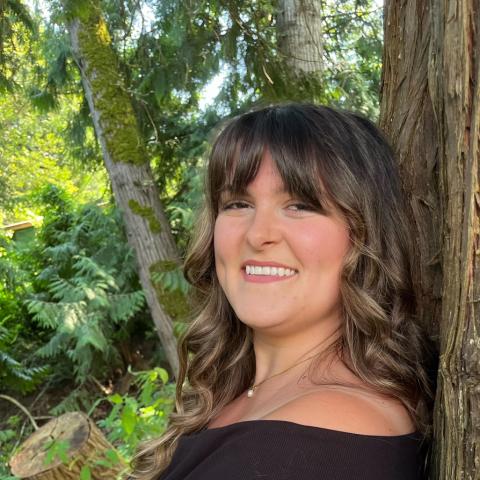
Alexandra Baird
Alexandra Baird is a mezzo-soprano from Chilliwack, British Columbia. A graduate of the University of British Columbia Opera Program, she has performed in opera scenes, recitals, and concert productions throughout British Columbia. Passionate about both performance and education, Alexandra currently teaches voice. In addition to her teaching career, she remains an active performer and is committed to developing her artistry through continued training and collaboration. Alexandra is particularly interested in storytelling and exploring innovative approaches to opera performance. Alexandra is excited to continue growing as a performer, educator, and artist.
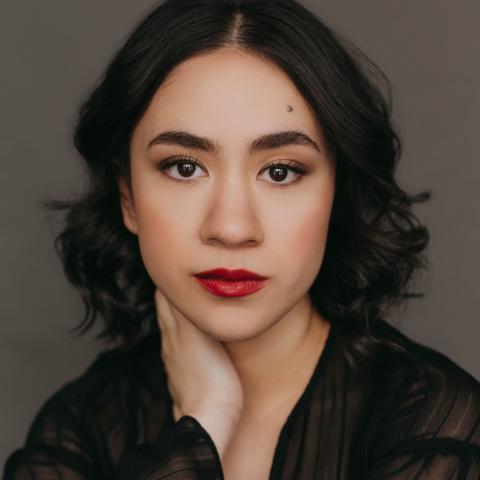
Leandra Dahm
Soprano Leandra Dahm is currently based in Toronto. This season, she completes her Artist Diploma at the Glenn Gould School where she studies with Stephanie Bogle.
2025/26 entails exciting debuts for Leandra. In February, she performs in recital with colleagues from the GGS at the Richard Bradshaw Ampitheatre (COC). In March, she makes her anticipated Koerner Hall and role debut as Lauretta in Gianni Schicchi (GGS). In April, she performs Golijov’s Three Songs for Soprano with string orchestra (21C Music Festival). This past November, she sang the role of Rita in the staged premiere of Dean Burry’s radio opera Baby Kintyre (GGS).
An avid concert singer, she has performed with Stratford Summer Music, Toronto Summer Music, Tapestry Opera, Ottawa Chamberfest and the Thirteen Strings Orchestra. She was a finalist in the Corcoran Concerto Competition (GGS), performing Berg’s Sieben frühe Lieder. She is a former Sidgwick Scholar with the Orpheus Choir of Toronto, where she was a soloist in Coleridge-Taylor’s The Atonement, in its first orchestral performance in over 100 years, as well as at Roy Thompson Hall in Poulenc’s Gloria. She is a graduate of the University of Toronto and has further trained as a fellowship recipient at SongFest and Toronto Summer Music.
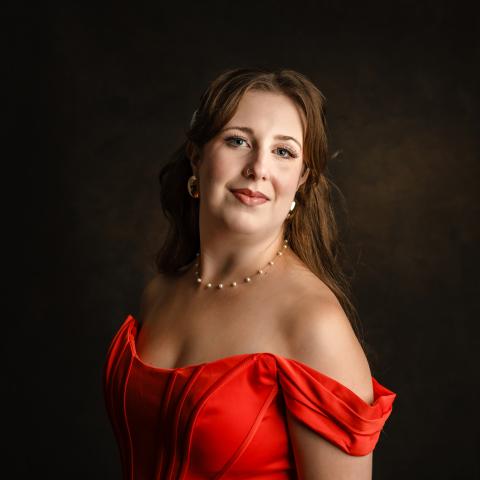
Olivia Haramis
Canadian soprano Olivia Haramis holds degrees in Voice Performance from both McGill University and Wilfrid Laurier University. Recent performance highlights include Zora in Ana Sokolović’s chamber opera, Svadba (Opera McGill), Musetta in Puccini’s La Bohème (Festival Ljubljana), Fauré’s Requiem (Les Muses Chorale), Jesse Maker’s Devolving Songs (McGill University), Handel’s Messiah (Menno Singers), Daniel Regnier’s Évangéline (Opera from Scratch), Poulenc’s Gloria (Laurier Choirs), Anne in Livingston’s Singing Only Softly (Opera Laurier), Baby Doe from Moore’s The Ballad of Baby Doe (Opera Laurier), Blanche from Poulenc’s Dialogues des Carmélites (Opera Laurier), Ophélie from Thomas’ Hamlet (Opera Laurier), and Christina Campbell in the world premiere of Canadian composer Stephanie Martin’s The Llandovery Castle (Opera Laurier). A dedicated and versatile artist, Olivia is a recipient of numerous awards and scholarships, including a McCall MacBain Regional Award and an RCM National Gold Medal. In addition to her work as a performer, Olivia maintains an active private studio in Cornwall, Ontario, where she teaches voice, violin, and piano to students of all ages. She also serves as the Director of Music at St. John’s Presbyterian Church.
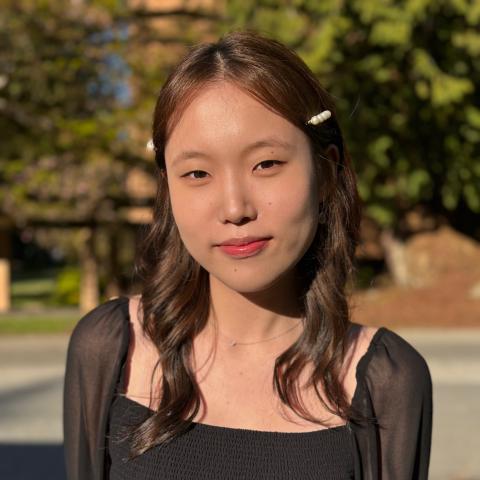
Ella Jeon
Ella Jeon is a Korean Canadian Soprano entering her fourth year of undergraduate Opera Performance studies at the University of British Columbia. This past summer, Ella participated in both the Highlands Opera Studio and the Mediterranean Opera Studio and Festival (MOSF). As an Independent Study Participant at Highlands, Ellarefined her techniques with the renowned faculty, including Nathalie Doucet, John Fisher, and Craig Rutenberg. She also jumped into the role of Olga in The Merry Widow under the baton of Kamna Gupta and the direction of Richard Margison. During her time at MOSF, she performed the role of Musetta in La bohème in public performances under the baton of Leonardo Catalanotto and the direction of Lyne Fortin.
Ella began performing with UBC Opera in 2024 under the direction of Nancy Hermiston. She recently performed Pamina as an understudy in Die Zauberflöte and understudied Cleopatra in Giulio Cesare. She also participated in Kurt Weill’s Street Scene and Gilbert and Sullivan’s H.M.S. Pinafore. Ella will be continuing her studies with Krisztina Szabó in her upcoming year at UBC.
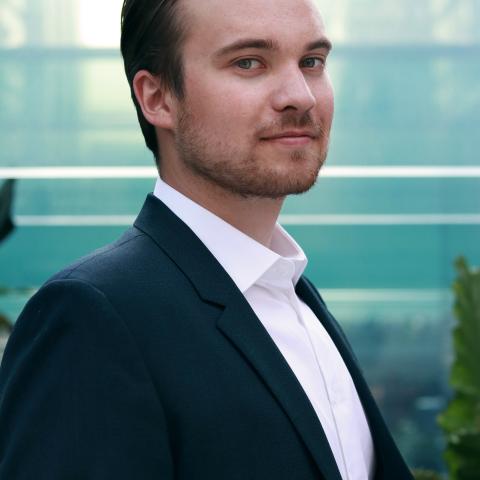
Graeme Linton
Canadian tenor Graeme Linton centres his work on storytelling through music. His diverse interests, from early music, art song repertoire, and Romantic opera to contemporary works, have been shaped by his Graduate Diploma and Bachelor of Music in Voice and Opera from McGill University and his Master’s degree in Vocal Performance with a concentration in Staged Voice from the University of Victoria. His academic development has been grounded in performance across choruses, operatic productions, and solo recital.
Recent performances include appearances at the Banff Centre as Nick in Poul Ruders’ The Handmaid’s Tale, and with Opera Kelowna as Giuseppe in Verdi’s La Traviata. Symphonic works include Mahler’s Symphony No. 2 Resurrection and Ravel’s Daphnis et Chloé with the Montreal Symphony Orchestra, and Puccini’s Messa di Gloria as soloist with the University of Victoria Symphony. Other appearances include the Evangelist in Bach’s Weihnachts-Oratorium with the Victoria Philharmonic Choir, the Usher in Verdi’s Rigoletto with Pacific Opera Victoria, and as Bill in Jonathan Dove’s Flight at Opera Nuova. This season includes Aeneas in Purcell’s Dido and Aeneas with the Victoria Philharmonic Choir, and appearances with Pacific Opera Victoria in Puccini’s Tosca and Gluck’s Orphée et Eurydice.
Outside of music, Graeme works as a rock climbing instructor and ACMG-certified coach, and remains active in the Vancouver Island climbing community
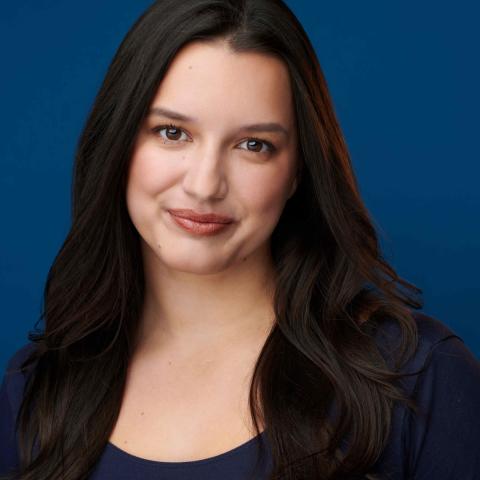
Wallis Lucas
Wallis Lucas is a dynamic soprano and passionate advocate for new works. Recent and upcoming credits (asterisk denotes world premiere) include workshops at the Banff Centre for Performing Arts, Time to Act* (Pittsburgh Opera), The Magic Flute (Stafford Opera Troupe), Sirens vs. Amazons* (Thousand Bridges Opera), The Marriage of Figaro (Opera de Metro), Naughty Marietta (Opera Project Columbus), The Last Five Years (Steel City Cabaret), Agnus Teaches Acting* (New Hazlett Theatre), La donna del lago (Resonance Works), Alcina (Carnegie Mellon University). This season, she also received an Encouragement Award at the Minnesota District Laffont Competition.
Wallis holds a Bachelor of Music from Furman University and a Master's from Carnegie Mellon university. She also completed a performance certificate at CMU, where she developed and premiered new chamber and orchestral pieces alongside student composers. A Georgia native, Wallis was a state champion 2-baton twirler three years in a row.
@wallissoprano | www.wallislucas.com

Maria Milenic
Serbian-Croatian-Canadian mezzo-soprano Maria Milenic “displays a rich, full sound” (LudwigVan Toronto). Originally from Newmarket Ontario, Maria is a sought-out artist who has performed in Canada, Italy, Germany, and beyond. She is a current member of Calgary Opera’s McPhee Young Artist Development Program. Her season included singing the role of Cio Cio San’s Mother in Puccini’s Madama Butterfly, Mother/Grandmother in Barab’s Little Red Riding Hood, as well as Sandman in Humperdinck’s Hansel and Gretel. A University of Toronto alum, Maria holds a double major in both voice performance and French language studies. She is also a graduate from the Glenn Gould School at the Royal Conservatory, having completed an Advanced Artist Diploma. Maria is a multidisciplinary artist who is regularly involved in contemporary opera. One of her highlight roles includes Minskwoman in Dove’s Flight, performed on the Koerner Hall stage. She has also been a featured artist in the 21C Festival, where she had the honour of premiering Chaya Czernowin’s piece The Habekhi (The Crying), written for mezzo-soprano, ensemble, and electronics, during which she gave a “remarkable performance with weird outwardly sounds somewhere between singing and crying” (Operaramblings). Last year, Maria was a finalist in the Homage to Maria Callas international competition and was a special prize award winner.
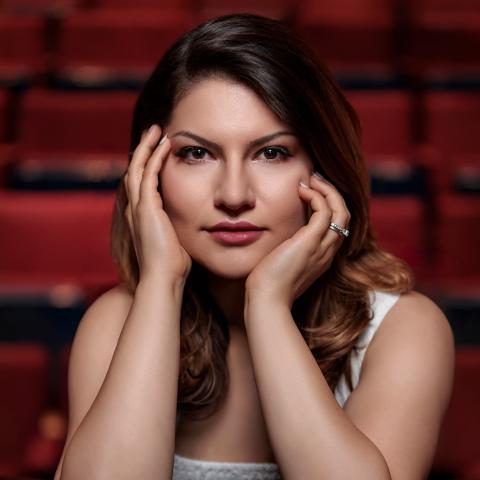
Tarané Noruzi
Tarané is a soprano who recently completed her Bachelor of Music in Voice at the University of Victoria, where she studied with Benjamin Butterfield. Originally from Iran, she moved to Canada in 2017 to pursue advanced musical training and has since developed a strong focus on opera and art song.
In early March 2026, she presented her graduation recital, marking an important milestone in her artistic development. She has also gained professional stage experience as a chorus member with Pacific Opera Victoria, most recently in Puccini’s Tosca, where she worked alongside leading artists in a fully staged production.
Alongside performance, Tarané is interested in the expressive relationship between text, colour, and sound in music. She also enjoys visual design and often creates her own concert gowns, bringing together her interests in artistry and presentation.
She looks forward to continuing her studies in a Master’s program beginning in September and is excited to further develop her artistry and collaborative skills at the Banff Summer Opera Program.
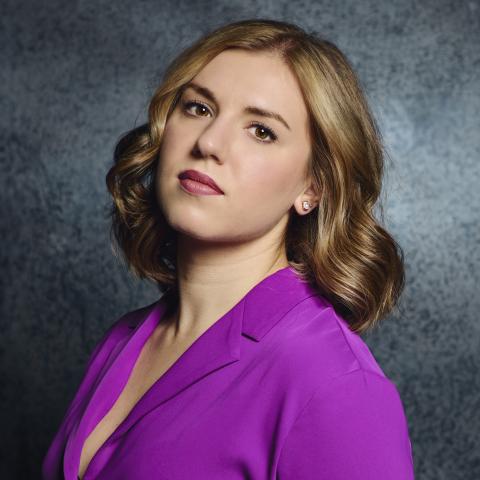
Kelsey Ronn
Praised for being "fully formed musically and dramatically" (Opera Canada), Canadian soprano Kelsey Ronn is a versatile vocalist known for her euphonious tone, florid coloratura, and warm timbre. She performs actively as a soloist, competitor, and operatic vocalist throughout Canada, the United States and Europe.
This season, Kelsey was engaged with Calgary Opera's McPhee Artist Development Program, where she made several role debuts including Kate Pinkerton and the Aunt in Madama Butterfly, the title role in Little Red Riding Hood and Berta in Il Barbiere di Siviglia.
Last season, she charmed audiences as The Squirrel in Nino Rota’s The Witty Squirrel and was appointed the Norina (Cover) in Calgary Opera’s production of Don Pasquale.
A sought-after performer, Kelsey is an alumna of Opera Kelowna's VOSI Program and L'Institut canadien d'art vocal in Montreal, QC. She holds degrees from the University of Manitoba (BM) where she was mentored by Tracy Dahl and McGill University (MM) where she studied under Joanne Kolomyjec and Dominique Labelle.
She brings a passion for acting to every role she embodies and is dedicated to sharing her voice with the world through performing and teaching.
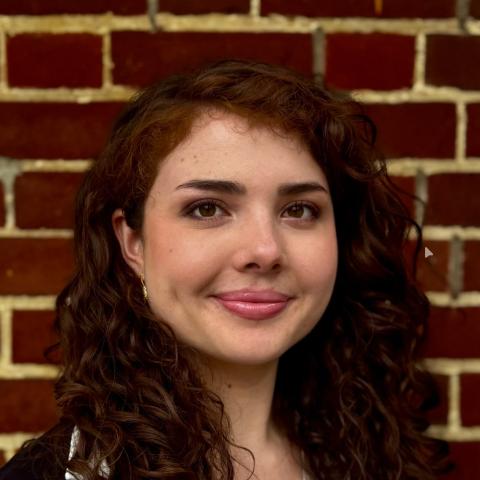
Sloane Ryan
Sloane Ryan is a soprano from Ogdensburg, New York. Sloane recently completed her first year with University of Toronto Opera where she is pursuing her Master of Music in Opera Performance, studying under Wendy Neilsen. At University of Toronto, Sloane has portrayed Poeta in Donizetti’s Viva la Mamma, Lucia in Britten’s The Rape of Lucretia, and Medea in the world premiere of With the telling comes the magic: Tales from antiquity to present day. She earned her Bachelor of Music in Classical Voice Performance from the Steinhardt School of Education, Culture, and Human Development. During her time at NYU, Sloane performed the role of Krysia in Heggie’s Two Remain. She also covered the role of Roselinde in Strauss’s Die Fledermaus. Other credits include The Sandman in Hänsel und Gretel and a Knabe in Die Zauberflöte.
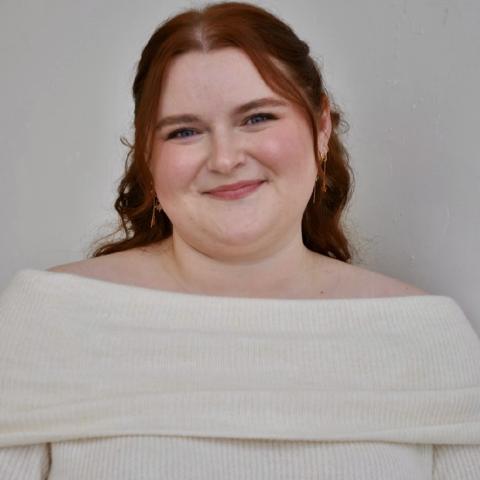
Ashley Schneberger
Ashley Schneberger is a mezzo-soprano from Cochrane, Alberta, recognized for her expressive performances and commitment to artistic growth. She holds a Master of Music in Vocal Performance from the University of Manitoba, where she studied with Tracy Dahl, and a Bachelor of Music from the University of Lethbridge under the guidance of Dr. Janet Youngdahl.
Ashley has performed a wide range of repertoire with companies including Little Opera Company of Winnipeg, Good Mess Opera Theatre, Manitoba Underground Opera, and NUOVA Vocal Arts. With the University of Manitoba Opera Theatre, her roles have included Augusta Tabor (The Ballad of Baby Doe), Madame de la Haltière (Cendrillon), and Ottone (L’incoronazione di Poppea). Internationally, she has performed with Chicago Summer Opera.
Concert highlights include Alto Soloist in Handel’s Messiah and A Traditional Christmas with the Winnipeg Symphony Orchestra, as well as Berlioz’s Les nuits d’été and Bach’s St. John Passion. A recipient of multiple awards, Ashley was a finalist in the National CFMTA Voice Competition, earning the Best Musical Diversity prize for Ian Cusson’s Where There’s a Wall. She maintains a private voice studio and is passionate about arts education. Upcoming engagements include revisiting Madame de la Haltière (Cendrillon) with Comic(book) Opera and participation in the Banff Centre Summer Opera program in 2026.
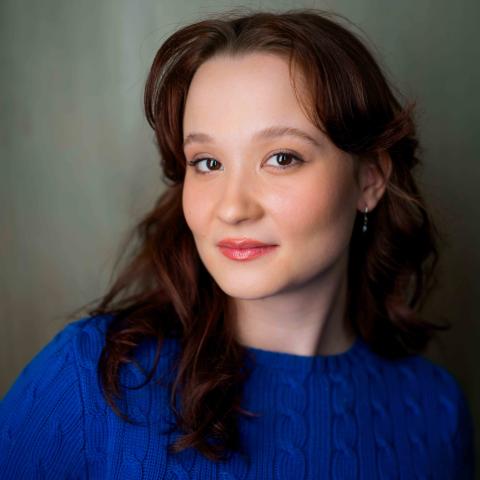
Dasha Tereshchenko
Dasha Tereshchenko is a Canadian mezzo-soprano praised as “most impressive” by The New York Times and possessing “star quality to spare” by Blogcritics. She is a Metropolitan Opera Laffont Competition Encouragement Award winner, a recipient of the Domaine Forget Prize at the 2025 Orchestre Symphonique de Montréal Competition, and an Opéra de Montréal National Auditions Finalist. Recent roles include Silvia Lombardi in the U.S. premiere of Korngold’s The Silent Serenade (Mannes Opera), Cherubino in Mozart’s Le nozze di Figaro (Music on Site), and the title role in Handel’s Silla (Chicago Summer Opera). She holds degrees from Mannes School of Music and the University of Toronto, and is pursuing a Graduate Diploma at The Juilliard School in the coming 26/27 academic year.
Staff Credits
Amiel Gladstone
Director, Theatre Arts
Ally Schuurman
Program Manager, Theatre Arts
Tonya Godee
Program Delivery Specialist
Sharon Fish
Assistant Head of Stage Carpentry
Alycia O'Keefe
Carpentry Tech
Matt Flawn
Head of Lighting
Guillaume Lemoine-Brin
Lighting Tech
Sam Hindle
Assistant Head of Sound
Kelly Roberts
Sound Tech
Brendan Briceland
Head of Projection
Elena Van Dakuroff
Wardrobe Facilitator
Stephen Elgar
Head of Properties
Cal Smith-Young
Production Coordinator
Andrew Smith
Production Manager