Submitted by Dolson Rhona on
English
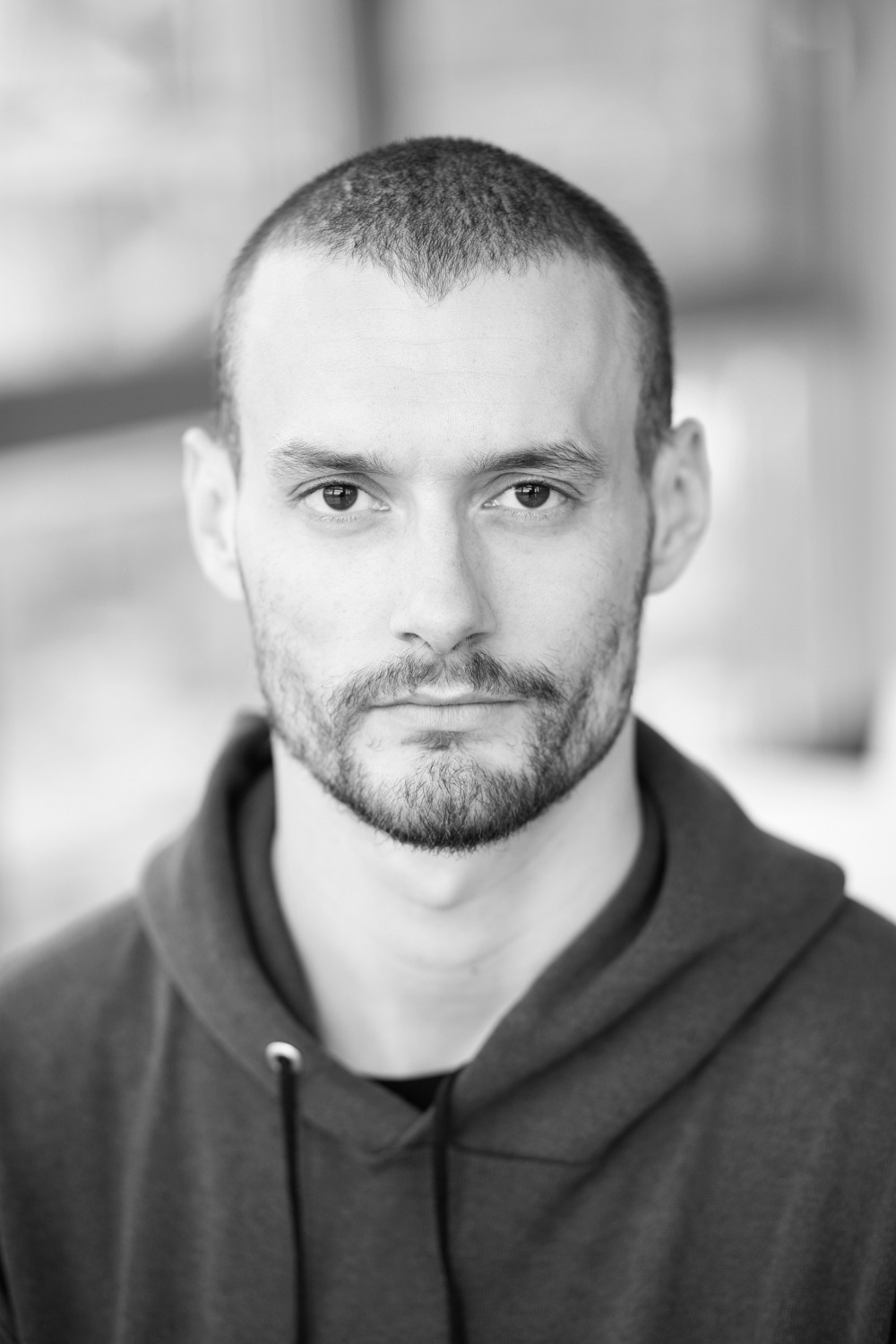
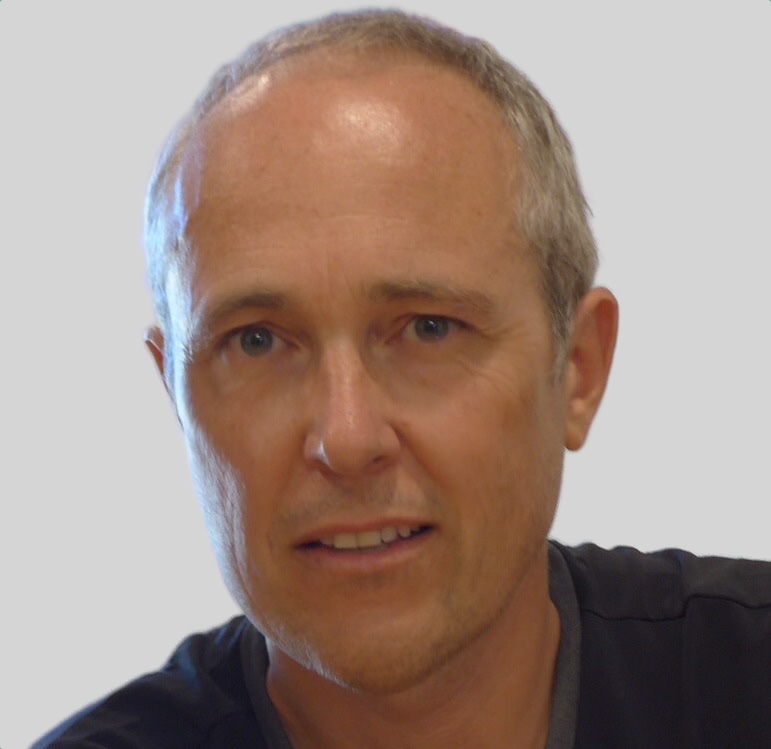
Headshot of Lee Allen

fullwidth padding

Trombonist Lee Allen has performed with the Buffalo Philharmonic, Detroit Symphony, Los Angeles Philharmonic, and the San Diego Symphony. As acting principal trombone of the Las Vegas Philharmonic, he has performed with the Santa Monica Symphony, Riverside Symphony, San Bernardino Symphony, Long Beach Opera, Burbank Philharmonic, and Los Angeles Jewish Symphony . Allen toured as a member of award-winning smooth jazz artist Brian Culbertson’s band in 2008 and also performed with Adele at the Academy Awards in 2013. Allen has worked on numerous recording projects including a project at The Bridge Recording in L.A. with Jay Friedman. He is a founding member of the critically acclaimed MOMUS trombone quartet, and a member of the Pacific Trombone Project, which comprises some of the leading players in Thailand, South Korea, China, and Australia.

A dedicated and sought-after teacher, Allen currently serves as trombone faculty and chair of brass and percussion at The Tianjin Juilliard School. There he is also a member of the Tianjin Juilliard Ensemble, an all-faculty ensemble performing chamber concerts throughout Asia. Allen is a member of the summer faculty at RondoFest in Penang, Malaysia. He has taught at the Oberlin Conservatory, University of Southern California, and Colburn School for the Performing Arts. During his tenure as assistant professor of trombone at the Oberlin Conservatory from 2013 - 2019, Allen was soloist with many large ensembles. He performed the US premiere of Christopher Starks’ Nanokonzert for solo trombone and contemporary ensemble in 2015. He also led the Oberlin Brass Quintet on a month-long tour of China and took students to Uganda, Africa as part of a collaboration with Brass for Africa. Allen has presented master classes throughout the United States, South Korea, and China.

Allen earned a DMA and MM in trombone performance from the University of Southern California Thornton School of Music, and a bachelor’s of music education from the

University of Kentucky. His primary mentors have included Terry Cravens, Dale Warren, Bill Watrous, and Per Brevig.

Lee Allen is a Shires Performing Artist.

Dolson Rhona
Faculty
English
Body
A family portrait of Subterranea director François-Xavier De Ruydts and his family.

After travelling around the world to promote award-winning film Subterranean, director François-Xavier De Ruydts shifted his focus from cinematic landscapes to the vibrant, calm life on his farm in Belgium. Years spent exploring the world through a camera lens led him back to his roots, where he sought a deeper connection to nature. Now, he raises chickens and sells fresh eggs to his neighbors in Brussels, building meaningful connections with family and his community.

Fix, as friends and family call him, hasn’t closed the door to filmmaking permanently. When asked about it, he smiles and shares that this new phase can be worthy of a great story. While nurturing his land, he sees his storytelling evolving, merging the joys of sustainable living with his cinematic vision.

The director of Subterranean admits that although not actively planning or producing any projects, he keeps his favourite camera close, ever interested in making the world a better place - both environmentally and socially. After spending 12 years as a photographer and then over a decade in film, he learned that his pool of energy is not infinite. This realization deepened his appreciation for balance, reminding him that the most meaningful adventures often happen in our own backyards.

Author: Nazareth Araújo, Porter O'Brien Agency

François-Xavier De Ruydts shifted his focus from cinematic landscapes to the vibrant, calm life on his farm in Belgium.

Located in the Canadian Rocky Mountains, the Banff Centre Mountain Film and Book Festival is a globally recognized event and tour celebrating the beauty, adventure, and culture of mountains globally. Join us at Banff Centre for Arts and Creativity from November 1 – 9, 2025 for the 50th Anniversary of the Festival in Banff, Alberta! The nine-day festival showcases live events with adventurers, authors, photographers, and filmmakers sharing their inspiring stories.

Online films are also available to watch throughout the year on Banff on Demand.  
To find out more about the Festival, World Tour, and related programs, please visit banffcentre.ca/banffmountainfestival

Page Summary
After travelling around the world to promote award-winning film Subterranean, director François-Xavier De Ruydts shifted his focus from cinematic landscapes to
Feature Image
SubterraneaPic4.jpg
Contact Text Block

Media Contact

Interested in reporting on this or any other Banff Centre story? Members of the media can reach out to communications@banffcentre.ca for more information.

Hide Sidebar
Off
English
Body
Alex Buisse climbing up The Nose in California.

Alex Buisse climbing up The Nose in California. Photo by Mag Charluet.

‘The Domino Effect’ describes the relationship between Alex Buisse and the Banff Centre Mountain Film and Book Festival. Through working at Banff Centre, I initially knew of Alex as a standout mountain and adventure photographer through the Festival’s annual Signature Image Search, where he was a finalist numerous times to be on the Festival’s poster. 

In 2021, Alex reached out and said ‘Hey, I’m travelling across Canada, let’s meet up!’ so after a brief meeting in a park, with his toddler in tow, it turned out he was looking to settle in Canada with his young family and they were trying to decide where to land. After settling down in Canmore, he first attended the Festival in Banff that fall. The following year he was invited by Festival Director, Joanna Croston to be a member of the international Photo Jury for the 2022 Banff Mountain Photo Essay Competition – while also being accepted to participate in the Adventure Filmmakers Workshop at the Banff Centre that same year. The dominos continued their trajectory – as Alex then went on to win Best Book: Mountain Image in the 2023 Banff Mountain Book Competition for his work Mont Blanc Lines!

I just caught up with Alex from his new home in Nova Scotia (now as a family of four) to find out more about his journey to Canada and what adventures lie ahead:

How did you first hear about the Festival? 
I heard about a thing called the "Banff Festival" long before I realized Banff was an actual place – when I caught a screening of the World Tour in London, England, while living there as a computer science student back in 2010. This was a few years into my climbing and photography career, I remember I was devouring Alpinist Magazines, classic mountaineering books and anything alpine-related, so the festival movies made a great impression. Little did I then know I would live right next to Banff a decade later!

As a photographer, how did participating in the Filmmakers Workshop impact your work? 
The AFW was such a momentous event in my career, on so many levels. As primarily a stills photographer, making audio is now a lot less scary to me. But the real treasure of AFW was the networking and meeting other like-minded filmmakers in similar stages in their careers. One of the other attendees this year was British-Canadian Toby Roney, and we have since collaborated on a number of projects and decided that we worked so well together we should start a business. In early 2024, we launched our small production house Peak 4122 Media (www.peak4122.com) and have worked on some commercials and docu-series for Garmin, including the launch of the Enduro 3 smartwatch which we filmed in New Zealand.

You’ve already been connected to the Book Awards, the Photo Jury, and the Filmmakers Workshop. Any plans to enter a film? 
Absolutely! Motion work has been growing in importance for me. After a few commercial projects, I will be directing my first proper documentary, a 30-minute piece on climbing in China, which we will be shooting this winter and are very much hoping to enter to the film competition for the 2025 festival!

You just travelled around the world with your kids! How did you swing that? 
Yes, we just got back in June from a year away. The French publisher of Mont Blanc Lines, Glénat, asked me for a follow-up in late 2022. One of their ideas was to make a book on the same template, but for the focusing on the best climbing in the world instead of just Chamonix. It so happened that our rent in Canmore was about to increase by 30%, so my wife Erin and I made the decision to instead sell most of what we own and spend the last year and a half traveling around the world. Our daughter had just turned 4, and our son was 6 month old, a perfect age (in our opinion) for long term travels! Other than a few breaks for a few shooting projects in Nepal and France, we spent time in 18 countries: Canada, USA, France, Greece, Switzerland, Italy, Norway, the UK, Qatar, Namibia, South Africa, Mauritius (over Christmas), Australia, New Zealand, Hong Kong, Thailand, South Korea and Japan. 

Any tips for travelling with kids? 
Slow down! Avoid tourist attractions, and visit a *lot* of playgrounds! We often chose to base ourselves in a single spot for a week or three instead of keeping constantly on the move. Although very little climbing was done, climbing locations directed us where to go. This time spent together, all those adventures (our RV breaking down in the middle of the Namibia desert, enduring a rain storm in the Flinders range of South Australia, flying at sunrise above Aoraki and Aspiring in a Piper Cub, sailing around the Tasman Peninsula, hiking in the Japanese Alps, to name just a few) really brought us a lot closer as a family. 

Tell us about your recent work adventures? 
I was back in Chamonix in August and had two really fun little adventures including a small shoot for one of my favorite clients, Patagonia, and documenting some scrambling in the Aiguilles Rouges and above the Émossons Dam. In September, I shot the next campaign for Newfoundland and Labrador Tourism, navigating (very) challenging weather to document the incredible wild beauty of the island.

What’s next for you?
Back in February, while we were overheating in the Blue Mountains near Sydney, Australia, we put an offer, sight unseen, on a house in Nova Scotia, on the Eastern Shore near Halifax. It is quite an adjustment for me, trading mountains for the ocean, but we love having more space for the kids to run around, and our daughter has now started in Acadian school, which will help us all speak more French (even if with a local accent!). It’s been a busy few years, so after I get back from China, I am looking forward to rekindling my love story with surfing (albeit with a very thick wetsuit), eating as many scallops as possible, and enjoying the more relaxed pace of life that Atlantic Canada is famous for.

We hope to see Alex back in Banff for the 2025 Festival! 

Author: Nicky Lynch, Banff Centre for Arts and Creativity

Alex Buisse travelled with his children to Yosemite.

Alex Buisse travelled with his children to Yosemite. Photo by Alex Buisse.

Find our more about Alex Buisse here.

Alex Buisse Photography 
Halifax, Nova Scotia, Canada - Chamonix, France
www.alexbuisse.com
www.peak4122.com 
www.montblanclines.com

Located in the Canadian Rocky Mountains, the Banff Centre Mountain Film and Book Festival is a globally recognized event and tour celebrating the beauty, adventure, and culture of mountains globally. Join us at Banff Centre for Arts and Creativity from November 1 – 9, 2025 for the 50th Anniversary of the Festival in Banff, Alberta! The nine-day festival showcases live events with adventurers, authors, photographers, and filmmakers sharing their inspiring stories.

Online films are also available to watch throughout the year on Banff on Demand.  
To find out more about the Festival, World Tour, and related programs, please visit banffcentre.ca/banffmountainfestival

Page Summary
An exclusive interview with photographer Alex Buisse.
Feature Image
2014-10-20141007-nose-0857 MAIN IMAGE.jpg
Contact Text Block

Media Contact

Interested in reporting on this or any other Banff Centre story? Members of the media can reach out to communications@banffcentre.ca for more information.

Hide Sidebar
Off
English
Body
Olympic bouldering and speed climbing competitions in the Olympic Games Paris 2024.

This year’s Olympic bouldering and speed climbing competitions drew an incredible audience of 6,000 people in attendance.

Thanks to the growing access to an indoor climbing wall, the plastic holds have found their way into the heart of the mainstream. This year’s Olympic bouldering and speed climbing competitions have seen a full 6,000+ audience, and that could be easily doubled. 

Our teammates from Banff Centre for Arts and Creativity, Haley (an Olympian herself!) and Ryan were there to watch speed records and well-rounded athletes tested on endurance, slabs, dynos, and their technique. This year had also strong female presence and bigger than ever media attention. The popularity of the sport brought money and solidified climbing careers which in return will help athletes excel at a higher level quicker and push more. 

Gone are the days where a high-performance athlete was dreaming about a dentist’s salary. In Canada, being an Olympian comes with a bit more – including being eligible for a government stipend from the Athlete Assistance Program. It won’t make you rich, but can help go towards some of the cost of post-secondary and keeps the lights on.

Welcome to the new era of dirtbagging: balancing an engineering gig while hanging at the crag, juggling digital nomad work between climbs, or going all in as a pro climber. Because these days, the real flex isn’t just medals – it’s making it all work.

Author: Karolina Krakowiak, Banff Centre for Arts and Creativity

Haley and Ryan at the Olympic Games Paris 2024.

Haley and Ryan at the Olympic Games Paris 2024.

Located in the Canadian Rocky Mountains, the Banff Centre Mountain Film and Book Festival is a globally recognized event and tour celebrating the beauty, adventure, and culture of mountains globally. Join us at Banff Centre for Arts and Creativity from November 1 – 9, 2025 for the 50th Anniversary of the Festival in Banff, Alberta! The nine-day festival showcases live events with adventurers, authors, photographers, and filmmakers sharing their inspiring stories.

Online films are also available to watch throughout the year on Banff on Demand.  
To find out more about the Festival, World Tour, and related programs, please visit banffcentre.ca/banffmountainfestival

Page Summary
Olympic bouldering and speed climbing competitions saw speed records and well-rounded athletes tested on endurance, slabs, dynos, and their technique.
Feature Image
OlympicsPic2 (1).jpg
Contact Text Block

Media Contact

Interested in reporting on this or any other Banff Centre story? Members of the media can reach out to communications@banffcentre.ca for more information.

Hide Sidebar
Off
English
Body
After your next long day of hiking, biking, skiing or snowshoeing – here’s how to unwind like the Banff Centre Festival Team.

Whether it’s a challenging trail in the mountains, or running a nine-day film festival, we know better than anyone that working hard means big rewards. So after your next long day of hiking, biking, skiing or snowshoeing – here’s how to unwind like the Banff Centre Festival Team!

“Before a ski touring day begins, we like to put beers into the snow near our car. Once we arrive back, we get the lawn chairs out from the trunk, cheers to the day, and share some laughs!” – Sarah Karasiuk, World Tour Manager

“I always make sure I have sandals in the car to swap into and a bag of chips to snack on after a big adventure day.” – Megan Cotterell, Festival Manager

“At the end of a big day of skiing/hiking/climbing/bike packing, I like to treat myself to a cold beer and plate of poutine (particularly poutine galvaude – poutine with roast chicken and peas).” – Lauren Schmidt, World Tour Interim Manager

“My post-backcountry ski ritual is gin and tonic in the hot tub.” – Joanna Croston, Director of Banff Centre Mountain Film and Book Festival and World Tour

“A bath and glass of red wine or G&T sounds perfect.  I also love a great bowl of wonton soup, and my friend has named a favourite warm-me-up drink ‘The Hug’: bourbon in hot water.” – Seana Strain, World Tour Event Specialist

“I look forward to ‘Hozz.’ It’s probably only a term used in my house, but once we have everything done, we go horizontal on the couch and watch something.” – Hayden Browne, Digital Marketing Specialist

“The last hike I did was this summer at a friend's cabin near Waterton (In the Rockies), where they had an outdoor sauna. A post-windy-stormy-rainy-hike retreat to the sauna was a great end to the day! But now I want to buy a cheap sauna...” – Nicky Lynch, Marketing Officer

“After a tiring day - most definitely french fries with lots of salt!” Haley Daniels, Strategic Sponsorships Manager

Author: Carly Maga, Banff Centre for Arts and Creativity

Located in the Canadian Rocky Mountains, the Banff Centre Mountain Film and Book Festival is a globally recognized event and tour celebrating the beauty, adventure, and culture of mountains globally. Join us at Banff Centre for Arts and Creativity from November 1 – 9, 2025 for the 50th Anniversary of the Festival in Banff, Alberta! The nine-day festival showcases live events with adventurers, authors, photographers, and filmmakers sharing their inspiring stories.

Online films are also available to watch throughout the year on Banff on Demand.  
To find out more about the Festival, World Tour, and related programs, please visit banffcentre.ca/banffmountainfestival

Page Summary
After your next long day of hiking, biking, skiing or snowshoeing – here’s how to unwind like the Banff Centre Festival Team.
Feature Image
iStock-1422457380 (1).jpg
Contact Text Block

Media Contact

Interested in reporting on this or any other Banff Centre story? Members of the media can reach out to communications@banffcentre.ca for more information.

Hide Sidebar
Off
English
Body
Andrea Wing, Mountain Fest director for Leo & Chester (2022) and The Pass (2023).

Andrea Wing, known as the Mountain Fest director for Leo & Chester (2022) and The Pass (2023), merged her passion for marketing and filmmaking to create her own journey. She has spent the last fifteen years working on commercial content and award-winning documentaries, and she has no plans to stop anytime soon.

As co-founder of Well-Travelled Collective, Andrea aims to amplify female voices and narratives that often go unheard. The scarcity of women in the production space inspired her to create a vibrant environment where women passionate about the outdoors and adventure can unite and collaborate, empowering each other to tell their stories.

When asked about the most rewarding aspect of being an outdoor filmmaker, Andrea says, “I think it’s being welcomed into somebody's world.” She adds, “The trust that you form with your main characters is something very unique.”

Andrea’s next film project will focus on the American wool industry. At the early stages of pre-production, she plans to explore the industry’s intricacies while shining a light on the people behind it.

In a rapidly evolving field, Andrea is an inspiration for underrepresented voices, dedicated to telling stories that matter and paving the way for a more inclusive filmmaking landscape.

Author: Nazareth Araújo, Porter O'Brien Agency

Andrea Wing has fifteen years of experience working on commercial content and award-winning documentaries.

Andrea Wing has fifteen years of experience working on commercial content and award-winning documentaries.

Located in the Canadian Rocky Mountains, the Banff Centre Mountain Film and Book Festival is a globally recognized event and tour celebrating the beauty, adventure, and culture of mountains globally. Join us at Banff Centre for Arts and Creativity from November 1 – 9, 2025 for the 50th Anniversary of the Festival in Banff, Alberta! The nine-day festival showcases live events with adventurers, authors, photographers, and filmmakers sharing their inspiring stories.

Online films are also available to watch throughout the year on Banff on Demand.  
To find out more about the Festival, World Tour, and related programs, please visit banffcentre.ca/banffmountainfestival

Page Summary
Profile on Andrea Wing, Mountain Fest director for Leo & Chester (2022) and The Pass (2023).
Feature Image
Wing.jpg
Contact Text Block

Media Contact

Interested in reporting on this or any other Banff Centre story? Members of the media can reach out to communications@banffcentre.ca for more information.

Hide Sidebar
Off
English
Body
Bernadette McDonald and her book Alpine Rising.

Bernadette McDonald and her book Alpine Rising.

A message from Bernadette McDonald -

The inspiration for “Alpine Rising” came while doing research for my last book, “Winter 8000”, which is about climbing 8000-metre peaks in winter. A niche activity, to be sure. I was interviewing elite high-altitude climbers, trying to understand their attraction to the unique ‘art of suffering’ that best describes climbing above 8000 metres in the coldest season. One of the most impressive was Pakistani climber, Ali Sadpara. Despite growing up in extremely modest circumstances in the village of Sadpara, and having had no formal training in mountaineering, Ali was one of the world’s leading high-altitude winter specialists.

Yet, Ali was almost unknown outside his country. Unlike his famous climbing partners from Italy, Poland and Spain, his accomplishments were often ignored. I wondered if this was unique to Ali’s experience or if it was a trend. 
That question took on a life of its own as I dove back in history, reading mountaineering narratives all the way back to the early 1900s. What I found was actually shocking. Countless examples of local climbers from Pakistan and Nepal working tirelessly on expeditions led by foreign mountaineers, yet receiving very little recognition, compensation or respect. They were often not even named. 

The situation today is a stark contrast to those early days. Some local climbers – particularly Nepali Sherpas – have achieved global stardom with all of the trappings. They are well trained, are internationally certified mountain guides, are running their own businesses and travelling the world. But they are still the minority.

What I’ve learned from talking to climbers from Pakistan and Nepal is that too many are still learning on the job – usually in extremely dangerous situations. Many are not being paid fairly for the work they are doing, and are not insured, either for injury or death. These men and women are spending their days at high altitude helping foreign climbers achieve their dreams. And when the climbing season ends, they return to their villages to herd livestock or build roads. They are not superstars, they’re not famous and they’re not rich. They are just trying to earn enough to educate their children.

“Alpine Rising” is about giving these individuals a voice to tell their own stories. This book is about respect – for all of these men and women who work in the highest mountains on Earth, who are emerging from out of the shadows, and into the light that they so deserve. I have never been so impressed, humbled and moved by the strength of the characters I was honoured to meet. 

“Alpine Rising” is published by Mountaineers Books. Bernadette will share stories from her book on November 1 at the Banff Mountain Book Festival.
 

K2, January 2021


Everyone was glued to the weather forecasts. As usual, they varied. Mingma
G was using a forecaster from Nepal, whereas Nimsdai’s and Ali Sadpara’s
teams were following European experts. Ali Sadpara’s team opted to wait
for better weather, but Nimsdai and Mingma G decided to launch a summit
attempt. There would be ten Nepali climbers: three from Mingma G’s team,
six from Nimsdai’s team, and Sona Sherpa from the SST team.

Nimsdai and his group headed up as far as Camp 2 on January 12. Mingma
G delayed his own departure until January 13, when his team climbed all the
way to 7,000 meters. Even though they were heavily loaded with equipment
for the upper part of the mountain, they reached 7,350 meters at Camp 3 on
the fourteenth and continued fixing lines an additional 300 meters. On the
morning of the fifteenth, Mingma G, Mingma David, Mingma Tenzi, and
Sona began fixing lines up toward Camp 4.

Mingma G described what happened next: “We followed the way to Camp
4 the same way we do in summer.” But this wasn’t summer. At this point,
Mingma G was fixing and the others were assisting. After fixing 400 metres
of rope, they were approaching the steep wall below Camp 4 when a problem
arose: “We found a big crevasse, which was impossible to cross. . . . We tried
more on the right side, still the same. Then we descended back a little and
tried to find a way on the left side—again it was the same so we descended
all the way back to just above Camp 3.” This was a devastating situation
since they essentially had to start all over again. Using what was left of the
beautiful day, they persevered and fixed a completely new line up to Camp
4. Luckily, a serac had collapsed over part of the gaping crevasse, providing
a tentative bridge. Exhausted from breaking trail and fixing lines, Mingma G
stepped aside while Mingma Tenzi took over the lead.

At around 4 p.m. they arrived at Camp 4, the route fully equipped below
them. “Our first reaction was winter K2 will be ours, and we hugged each
other because we knew we would make the summit next day,” Mingma G
said. Their efforts had been immense. The route from Camp 3 to Camp 4
usually takes two to three hours; they had taken eight. Still, he was elated.
“We talked a little bit about our luck and hard work before descending.
Whenever we are on the mountain, we pray to the mountain for our safety
and we also pray for her to accept us. The Goddess K2 accepted us this time.”
They rushed down to Camp 3 and began preparing for the summit bid, which
would begin in a matter of hours. The forecast for January 16 was even better
than expected, so instead of starting at 11 p.m., their original plan, they felt
comfortable delaying the start to 1 a.m.

Camp 3 began stirring at midnight. After the usual ordeal of lighting the
stoves, boiling water, double- and triple-checking the contents of their packs,
and then stuffing their feet into their high-altitude boots, they emerged from
the tents, one by one. Nimsdai, Kili, Dawa Tenjin, Sona, Dawa Temba, and
Mingma Tenzi left first. Mingma G came to the sad realization that his previous
day’s efforts had so exhausted him that he didn’t feel strong enough to
climb without oxygen. Disappointed, he fiddled with his oxygen regulator,
which didn’t fit properly. He eventually found a spare regulator but chilled his
fingers dangerously in the process of attaching it. By the time he was finally
ready to start up, the others were already nearing Camp 4. It didn’t look like a
promising summit day for Mingma G.

He left Camp 3 with Mingma David, Pem Chhiri, and Gelje. They reached
Camp 4 two hours later and were shocked at the chilling effects of the wind.
When Mingma G stopped for a few moments on the upper side of a crevasse
while waiting for Mingma David, he became so cold he considered turning
around. “I almost gave up there because I was worried to lose my toes.”
He checked his watch. It was 5 a.m. In another hour the sun would appear
above the horizon, so he decided to continue, at least until dawn. At the same
moment that he felt the first warming rays of the sun, the wind miraculously
dropped. The four climbers stopped to soak up the rays and warm themselves
before climbing up to the Bottleneck. The heat from the sun had given
them extra energy and hope.

The first group was fixing lines up the Bottleneck, Mingma Tenzi leading
the way. Mingma G’s group climbed toward them, finally catching up before
the traverse. Nimsdai urged them on: “We all had that common pride, a
common goal. This was for Nepal.” When they reached the small plateau 200
meters below the summit, they stopped to brew some tea. After resting a bit,
Mingma Tenzi resumed fixing. They were still four hours from the summit.
They planned to stop around 10 meters from the top and continue as
a group to the highest point. “We all started moving together and our 360
GoPro was on,” Mingma G said. “We then started moving towards the
summit singing the National Anthem. This was my third time summiting
on K2 but this time it was connected with the pride of the nation. . . . It was
a thrilling moment. I had tears in my eyes and my body was shaking itself,
bearing goosebumps. No member in the team can explain the moment we
had there.”

The ten Nepali climbers stepped onto the summit at 4:43 p.m., January 16,
2021. First winter ascent of K2.

The video of their final steps to the summit sped around the world, delighting
millions. What a sight: their faces lit up by the low-angled sun, the distinct
curvature of the earth as their backdrop, their crimson and gold suits
as bright as jewels, and that magnificent indigo sky.
 

Excerpted from Alpine Rising: Sherpas, Baltis, and the Triumph of Local Climbers in the Greater Ranges by Bernadette McDonald (March 2024). Published by Mountaineers Books. All rights reserved. Reprinted with permission.

Bernadette McDonald has authored thirteen books and has won numerous awards, including two Boardman Tasker Prizes, the Banff Mountain Book Festival Grand Prize, Italy’s ITAS Prize, and India’s Kekoo Naoroji Award. In 2011 the American Alpine Club awarded her their highest literary honour for excellence in mountain literature.

Bernadette was the founding Vice President of Mountain Culture at The Banff Centre and director of the Banff Mountain Festivals for 20 years. She received the Alberta Order of Excellence in 2010, is an honorary member of the Himalayan Club and the Polish Mountaineering Association, and is a Fellow of the Explorers Club.

When not writing, Bernadette climbs, hikes, skis, paddles and grows grapes.
 

Located in the Canadian Rocky Mountains, the Banff Centre Mountain Film and Book Festival is a globally recognized event and tour celebrating the beauty, adventure, and culture of mountains globally. Join us at Banff Centre for Arts and Creativity from November 1 – 9, 2025 for the 50th Anniversary of the Festival in Banff, Alberta! The nine-day festival showcases live events with adventurers, authors, photographers, and filmmakers sharing their inspiring stories.

Online films are also available to watch throughout the year on Banff on Demand.  
To find out more about the Festival, World Tour, and related programs, please visit banffcentre.ca/banffmountainfestival

Page Summary
An exclusive look at Bernadette McDonald's Alpine Rising.
Feature Image
Alpine Rising pic_compressed.jpg
Sidebar Links
Contact Text Block

Media Contact

Interested in reporting on this or any other Banff Centre story? Members of the media can reach out to communications@banffcentre.ca for more information.

Hide Sidebar
Off
English
Body
World Tour event in Georgia.

Georgia is one of the 50 countries participating in the Banff Centre Mountain Film Festival World Tour.

The Banff Centre Mountain Film Festival World Tour is screened around the world in more than 450 destinations in 50 countries.

For some countries, given political and other circumstances, hosting an event like the Banff Mountain Film World Tour is extra complicated.

This year, we wanted to recognize some of our tour hosts who bring these stories of resilience and passion to their communities, reminding us of the power of story, adventure, nature, and connection.

We reached out to Frida Ayala (Venezuela), Jeremy Gaskill (Georgia) and Muntasir Mamun (Bangladesh) to hear their stories about what hosting a World Tour event means to them.

How did you start working with the festival as a Tour Host?

Frida: “In 2002, my late husband was climbing Huascaran. He stayed in Huaraz and saw a poster for the BMFF. He came home very excited because he thought the idea of ​​a mountain film festival was wonderful… He decided to bring the festival to Venezuela [and] we had our first festival in 2003.

Jeremy: “[My wife] and I had attended Banff Mountain Film Festivals for years… When we later returned to Georgia, we reconnected with Paul, who had also been a Peace Corps Volunteer here [and] the idea of Banff just clicked for us.”

Muntasir: “2003, I went to Everest Base Camp and had the pleasure of meeting Christopher York who suggested that I explore the Banff Mountain Film Festival. In 2005, I sent my first email to Jim Baker, the festival’s world tour manager.”

Why did you want to bring the tour to your country?

Frida: “The first motivation was… to reinforce the bonds among the mountaineering, rock climbing and outdoor sports in Venezuela with the world. Right now, the festival is an opportunity to bring hope, resilience, a sense of freedom and the right to dream of a better world.”

Jeremy: “[We] knew what significant role mountains play in Georgia’s culture and felt that the festival belonged here. We saw Banff as a way of tapping into [a growing enthusiasm for mountain sports] and of inspiring new possibilities.”

Muntasir: “I wanted to introduce the Tour here to spark passion and curiosity about the world beyond our borders; to show that adventure is not just for explorers from faraway lands, but something we all can experience and be a part of. It’s also a way to… encourage [environmental preservation] through storytelling.”

What challenges (if any) have you experienced hosting? And how have you overcome them?

Frida: “In 2006 my husband and partner died coming down from Nanga Parbat, so I had to carry the responsibility of doing the fest and raising my little children. In 2014 and 2018 we [had] the most difficult political problems, fights in the streets, and a crazy economy. [That year], we went to the venue to cancel [and] found 100 people begging us to [stay open]. Years have passed, many have left the country, and [gaining] a new audience has been an issue. This has been one of the most difficult years due to the economic crisis and political and social instability.”

Jeremy: “In April, the Georgian government announced plans to introduce the ‘Foreign Influence Transparency Law.’ As a result, huge, sustained protests erupted across the country, particularly in Tbilisi. Understandably, the law and the upcoming October elections [are] the primary focus for many Georgians. While the Mountain Film Festival is important to us, we recognize that it doesn’t carry the same weight as these larger, critical challenges. For now, we have just postponed this year’s Festival and we remain hopeful.”

Muntasir: “Securing funding. [The screenings are free, so] securing sponsorships has been particularly difficult, as the festival is niche and not considered a mainstream film event."

What value do you feel the tour brings to your community? 

Frida: “Hope!”

Jeremy: “New inspiration, broader perspectives, and a deeper appreciation for the beauty of nature.”

Muntasir: “Motivation; igniting a passion for outdoor activities, conservation efforts, and personal growth.”

Why do you think it is important to celebrate and showcase mountain culture in your community?

Frida: “People also come here who find a message of values ​​and possibilities that they want to confirm in their lives. Many start doing outdoor activities after experiencing the festival.”

Jeremy: “By showcasing mountain culture through the eyes of others…, we can reawaken Georgians' appreciation for their own country and deepen their understanding of what’s possible.”

Muntasir: “In Bangladesh, while many live near the poverty line, that doesn’t diminish their passion for adventure or the dreams they hold. The festival creates a space where adventure is celebrated in all its forms, and where everyone is reminded that the spirit of exploration and discovery is universal.”

Author: Akcinya Kootchin, Banff Centre for Arts and Creativity

Located in the Canadian Rocky Mountains, the Banff Centre Mountain Film and Book Festival is a globally recognized event and tour celebrating the beauty, adventure, and culture of mountains globally. Join us at Banff Centre for Arts and Creativity from November 1 – 9, 2025 for the 50th Anniversary of the Festival in Banff, Alberta! The nine-day festival showcases live events with adventurers, authors, photographers, and filmmakers sharing their inspiring stories.

Online films are also available to watch throughout the year on Banff on Demand.  
To find out more about the Festival, World Tour, and related programs, please visit banffcentre.ca/banffmountainfestival

Page Summary
Hosts Frida Ayala, Jeremy Gaskill and Muntasir Mamun share their stories and experiences of what is like to host a World Tour event.
Feature Image
Georgia-8_compressed.jpg
Contact Text Block

Media Contact

Interested in reporting on this or any other Banff Centre story? Members of the media can reach out to communications@banffcentre.ca for more information.

Hide Sidebar
Off
English
Body
The expedition team climbs towards camp 1 on Mt. Logan in Kluane National Park and Reserve. Credit: Leo Hoorn/National Geographic

The expedition team climbs towards camp 1 on Mt. Logan in Kluane National Park and Reserve. Credit: Leo Hoorn/National Geographic

In 2022, National Geographic Explorer and ice core scientist Alison Criscitiello led a team of international scientists on a daring expedition to climb Mount Logan – a long and arduous ascent which 50% of climbers don’t complete. The team braved -20 to -40 C temperatures, strong winds, complex icefalls, and intense snowfall to reach the summit plateau and successfully extract an ice core from the mountain.

The ice core holds critical historical climate data that could reveal how the region may respond to future change. This information is vital to studying the climate, especially as our planet warms.

Criscitiello’s herculean effort is part of Perpetual Planet Expeditions, a partnership between the National Geographic Society and Rolex to document the impacts of climate and environmental change on our planet’s vital life support systems.

The expedition was documented and made into a film by the Society’s Impact Story Lab, an award-winning creative unit that combines world-class storytelling with social and behavioral science in order to drive positive change. The documentary, For Winter, captures the ascent as well as Criscitiello’s home life, and what it’s like to balance the demands of her job with kids as well as being a LGBTQ+ woman in STEM.

Criscitiello is the Director of the Canadian Ice Core Lab at the University of Alberta and co-founder of Girls on Ice Canada, a tuition-free program that supports the next generation of female scientists and mountaineers.

She hopes the film inspires people to focus on the solutions to mitigate against climate change.

“In my position, I hear a lot of climate anxiety and despair. It’s time to feel the opposite and do the opposite. This is the time to make the change.”

This particular climb of Mount Logan was record breaking. Criscitiello collected the deepest non-polar ice core ever collected at an altitude over 17,000 feet. In addition, Mount Logan is the highest peak in Canada.

The film’s executive producer and vice president of the Society’s Impact Story Lab, Vanessa Serrao, said she hopes the film shifts the narrative of science, exploration and conservation to foster a more inclusive community. In fact, the film is named after Criscitiello’s three-year-old daughter, Winter, and showcases the hope that she too can do anything — even the seemingly impossible.

“Alison’s story shows that this is not only possible, but necessary. We all have a place in solving the planet’s most pressing issues,” said Serrao.

Author: Porter O'Brien Agency 

National Geographic Explorer Alison Criscitiello holds a portion of her 2022 Mt. Logan ice core in the Canadian Ice Core Lab at the University of Alberta. Credit: Leo Hoorn/National Geographic

National Geographic Explorer Alison Criscitiello holds a portion of her 2022 Mt. Logan ice core in the Canadian Ice Core Lab at the University of Alberta. Credit: Leo Hoorn/National Geographic

Located in the Canadian Rocky Mountains, the Banff Centre Mountain Film and Book Festival is a globally recognized event and tour celebrating the beauty, adventure, and culture of mountains globally. Join us at Banff Centre for Arts and Creativity from November 1 – 9, 2025 for the 50th Anniversary of the Festival in Banff, Alberta! The nine-day festival showcases live events with adventurers, authors, photographers, and filmmakers sharing their inspiring stories.

Online films are also available to watch throughout the year on Banff on Demand.  
To find out more about the Festival, World Tour, and related programs, please visit banffcentre.ca/banffmountainfestival

Page Summary
For Winter is a new documentary focused on the journey of Alison Criscitiello, who climbed Mount Logan to uncover climate history via ice cores.
Feature Image
NS120363601_NGSPPMTL2022_Leo Hoorn_NGS22007-11-8474_ NEW.jpg
Contact Text Block

Media Contact

Interested in reporting on this or any other Banff Centre story? Members of the media can reach out to communications@banffcentre.ca for more information.

Hide Sidebar
Off
English
Body

Rendezvous with the Fire and Ice Symposium: The Stories We Tell

Colette Derworiz in conversation with Dr. Alison Criscitiello, Jocelyn Hirose, and Dr. Corinne Schuster-Wallace

L-R: Colette Derworiz, Dr. Alison Criscitiello, Jocelyn Hirose, and Dr. Corinne Schuster-Wallace. Photo by Abigaile Edwards.

The 2025 Banff Centre Mountain Film and Book Festival hosted the Fire and Ice Symposium: The Stories We Tell on November 4th and 5th in Banff. 

After noting a shift in narratives through film and book submissions from more traditional adventure stories to environmentally conscious stories, highlighting our changing planet, the Festival honoured the land and waterways at its 50th anniversary. The series of events brought together scientists, authors, filmmakers, storytellers, educators, and community leaders to share why stories of fire and ice matter.

Article by Yash Chhabria

Day 1

Fire and Ice Symposium Day 1 Visual Recording

Fire and Ice Symposium Visual Recording by Mo Dawson

Welcoming the visitors to the land, Daryl Kootenay of the Stoney Nakoda Nation, in the Treaty 7 Territory of Southern Alberta, briefed the audience about the Stoney Nakoda Nation and left everyone spellbound with his melodious prayer.


Wasting no time, Robert Sandford, Senior Government Relations Liaison, Global Climate Emergency Response, United Nations University Institute for Water, Environment and Health, made it clear in his opening remarks, or rather an alert, that we need to pay urgent attention to the broken systems that are dismantling the biological ecosystem. Showing a mirror to the audience and making an appeal for action, he said, “Right now, in our time, imagining those stories before it is too late may be our most urgent collective action.”


While the audience was settling from the unsettling warning from Sandford, the Women on Ice panel with Dr. Alison Criscitiello, Jocelyn Hirose, Dr. Corinne Schuster-Wallace, and moderator Colette Derworiz kicked off the first event of the day with their contribution towards uplifting women in glaciology. Sharing the passion for art and science, they collaborate with local and international groups to drive change and advocate for artistic expression. Girls* on Ice Canada co-founders, Chrisitiello and Hirose run programs, interweaving science, art and adventure to inspire next generation of girls and transgender, agender, Two Spirit, nonbinary, intersex, and genderqueer youth.


In a choose-your-own-adventure model, the audience had a choice between a panel of storytellers employing different media forms to tell stories of glaciers and a scientific exploration of the Swiss Alps through extended reality (XR).

Dr. Amy Cardinal Christianson in conversation with Alvin First Rider.

Dr. Amy Cardinal Christianson in conversation with Alvin First Rider. Photo by Abigaile Edwards.

Storytelling has evolved, and people are seeking new ways to form connections and stay grounded. Dr. Amy Cardinal Christianson (Métis from Treaty 8 territory) connects with people through her podcast, Good Fire. During the live podcast interview at the Symposium, she spoke to Alvin First Rider (Blood Tribe) and Jordan Melograna, debunking the myths around cultural burning and decolonizing land management. “We hear it so many times, ‘Indigenous people have lost their fire knowledge.’ Really, our knowledge was taken away from our nations through systemic racist campaigns, fire exclusion, looking at Indigenous fire knowledge as less, residential schools, the Indian Act, that kept us away from the land,” said Cardinal Christianson. First Rider’s work as the Environmental Manager for the Blood Tribe Land Management includes reintroduction of fire and bison to the landscape that was suppressed due to colonial policies. “Being able to reignite that connection has been an expression of sovereignty,” said First Rider.

“There was a purpose of fire—to shape our landscape.”

ALVIN FIRST RIDER; Environmental Manager, Blood Tribe Land Management

When Marshall McLuhan coined the phrase, "the medium is the message," he brought awareness and a peek into today’s world of media expressionism. Media can alter your emotions or evoke a call to action, and exploring this phenomenon, Erin James, Jennifer Ladino, and Andreas Rutkauskas facilitated a hands-on workshop to record participants’ reactions to media representations of wildfire. In the other breakout room, the participants followed thematic learning journeys of people with lived climate change experience from Jasper, Wood Buffalo, Interior BC, and the Piikani First Nation with facilitators, Brooklyn Rushton and Andy Airey from The Resilience Institute.


The Banff Centre Mountain Film and Book Festival is known for its adventure stories, but with great adventure comes even greater responsibility. Børge Ousland and Vincent Colliard took the evening stage, validating this idea of being responsible adventurers through their tales from the IceLegacy project. “You need someone who goes out there into those icy landscapes… and comes back with stories, with impressions and images and emotions from the field. Because if you’re a part of the problem, you should also be part of the solution,” said Ousland.

Børge Ousland presenting his IceLegacy project at the Banff Centre Mountain Film and Book Festival.

Børge Ousland presenting his IceLegacy project. Photo by Rita Taylor.

“You need science to make the right decisions, but you also need adventure.”

BØRGE OUSLAND; Polar Explorer and Co-Founder, IceLegacy Project

Any Festival night in Banff is incomplete without films. A selection of films premiered with a focus on the exploration of the global ecological shift and stories of resilience after turmoil caused by calamities from climate change. Banff Centre Mountain Film and Book Festival and Adventure Filmmakers Workshop alum, director Trixie Pacis, and aerial performer and filmmaker, Sasha Galitzki’s Embers had its world premiere with a surprise aerial performance by Galitzki on the stage.

Sasha Galitzki performing an aerial act.

Sasha Galitzki performing an aerial act after the world premiere of Embers. Photo by Rita Taylor.

Day 2

Fire and Ice Symposium Day 2 Visual Recording

Fire and Ice Symposium Visual Recording by Mo Dawson

How often do the worlds of adventurers and scientists collide? Each has the expertise that the other does not possess, but the sentiment of accountability in the outdoors calls for a unique collaboration. Day two of the Symposium inspected the ingredients required for such an association of explorers and scientists in telling stories of adventure. Panelists Aldo Kane, Caroline Côté, and Dr. Andreas Linsbauer have wildly different backgrounds, but what brings them together is their concern for climate change and raising awareness. “Storytelling is about inspiring people,” said Kane.


Stories of climate change are not just pure statistics in academic papers, but loss, grief, and fear in the hearts of millions of individuals who have experienced it first-hand. One such story is of Sasha Galitzki, who lost her home in the 2024 Jasper wildfire, told in a poetic form through the film Embers. Galitzki and Pacis engaged the audience during the breakout session with their story of compassion and commitment to truth in times of distress and challenge.


As individuals, do we have any power, any control over the narrative of the future? As a juggernaut of a task it may seem, community leaders like Jim Elzinga, Tim Patterson, Abhay Singh Sachal, and Christie Pashby are working with their communities to rehabilitate the ways people interact with nature. Participants in their breakout session received tools on how they can reach out to local communities, trying to make a difference, and capture stories that matter to them.

Fire and Ice Symposium Panelists having a discussion on the stage.

L-R: Rebecca Martin, Dr. Andreas Linsbauer, Caroline Côté, and Aldo Kane. Photo by Abigaile Edwards.

The ever-avid storyteller, Jon Waterman, invited the house to follow him on his chronicles of the Alaskan Arctic, carefully documented in his new book, Into the Thaw: Witnessing Wonder Amid the Arctic Climate Crisis. The landscape, so fragile, has seen immense transformation in the last 30 years since his last visit—leaving him heartbroken. His eyes could not recognize the very place where he stood on his last visit. He observes and reflects through imagery and notes he made during his trips inspiring people to stop for a moment and think about this change and speak out.


The way to move forward is to adapt to the changes in the environment—"the good old days” are gone, and reality can be discouraging. In an attempt to give hope, Kate Neville, Amanda Monthei, and Amber Bennett, along with moderator Graham Zimmerman, shared ways to be together during their breakout session.

“People want to belong to a community. Give people an invitation into belonging. People want to understand the world around them. People are motivated by understanding, by a sense of control, want to enhance themselves, want to be seen as a good person, and want to trust others and be trusted. For activating those levers, stories are probably one of the simplest and most powerful ways to activate all those things at the same time.”

AMBER BENNETT; Executive Director, Re.Climate at Carleton University

While the landscape is changing, how do you go about interacting with nature and continue with the adventure while it is vulnerable? Ignacio Palomo, Kate Hanley, and Marc Pons, with moderator Graham McDowell, brought perspectives from mountain guides, nature-positive adaptation, and human connections from mountainous regions around the world, and how to be engaged in climate communication.

James Balog presenting his Extreme Ice Survey Project.

James Balog presenting his Extreme Ice Survey Project. Photo by Rita Taylor.

Concluding the Symposium, photographer James Balog presented the Extreme Ice Survey project—compelling visual evidence of receding glaciers through his 15-year project cataloging over a million images. His presentation was followed by the screening of his new film, Chasing Time, directed by Jeff Orlowski-Yang and Sarah Keo, following Balog and his crew capturing behind the scenes of the Extreme Ice Survey.

“Inside, very human—is a deep appreciation for blue sky, flowing water, and green leaves.”

JAMES BALOG; Photographer and Founder, Extreme Ice Survey

The symposium was two days of rich conversation, connection, and we sincerely hope that attendees left feeling inspired and courageous to tell stories in new and impactful ways. 

In collaboration with

United Nations International Year of Glaciers’ Preservation


Fire and Ice Symposium Sponsors:

Banff & Lake Louise Tourism Alpine Club of Canada Consulate General of Switzerland
Page Summary
Inside Banff Centre Mountain Film and Book Festival's Fire and Ice Symposium: The Stories We Tell.
Feature Image
Fire and Ice Symposium Nov 4th Morning Session
Hide Sidebar
Off
Related Items
Subscribe to